Finishing braces or Invisalign is a big milestone. After months or even years of treatment, you’ve finally achieved a straighter smile. But while the active part of orthodontic treatment may be over, one final step remains—and it’s a crucial one.
Wearing a retainer after braces or Invisalign is not optional if you want to maintain your results. Skipping this step or being inconsistent can allow your teeth to shift back, undoing much of the progress you’ve made. Here’s what you need to know about why retainers matter and how to use them correctly.
Why Teeth Shift After Treatment Ends
Braces and Invisalign don’t just move teeth. They also gradually reshape the supporting bone and soft tissue in your mouth. But even after your teeth are in the right position, it takes time for everything around them to fully adjust.
Once the constant pressure from braces or aligners is gone, your teeth may try to move back to where they started. This process is called relapse. It’s most likely to happen during the first several months after treatment, but shifting can still occur years later if retainers aren’t used.
Your body is always changing, including your teeth and jaw. Natural forces like chewing, grinding, and growth continue long after your treatment ends. A retainer helps prevent those small movements from becoming major changes.
The Different Types of Retainers
Orthodontists typically offer two main types of retainers—removable and fixed. Each has its benefits and fits different lifestyles.
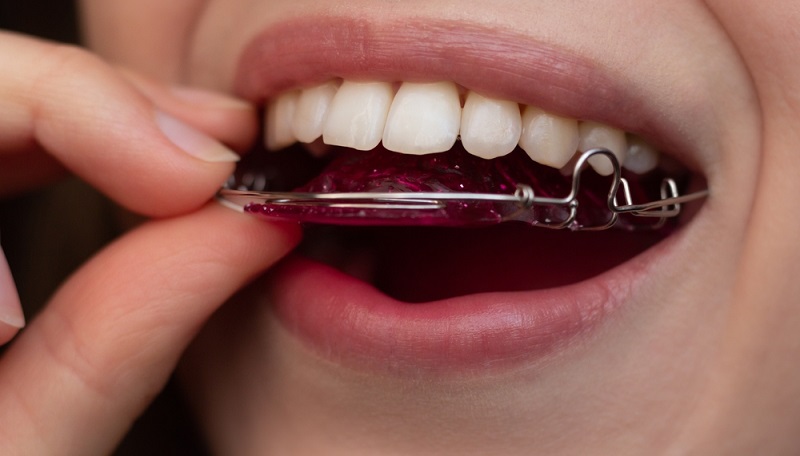
Removable retainers include clear plastic models and traditional wire-and-acrylic options. These can be taken out for eating, brushing, and special occasions. They’re easy to clean and are often used after Invisalign since they look similar to the aligners.
Fixed retainers are thin wires bonded to the back of your teeth, usually the lower front ones. These stay in place 24/7 and require no effort to wear. They’re great for people who might forget to put their removable retainers back in but require more effort to keep clean.
Your orthodontist may recommend one or both types depending on your needs.
How Long You’ll Need to Wear a Retainer
Many patients ask how long they’ll need to use a retainer after treatment. The honest answer is—potentially for life. The most critical period is the first year after braces or Invisalign. During that time, you’ll likely be asked to wear your retainer full-time, usually 20 to 22 hours a day.
Eventually, you may switch to wearing it only at night. But even then, consistency matters. Many orthodontists suggest nighttime use indefinitely to protect your results long-term. While that may sound like a big commitment, wearing a retainer at night is a small price to pay compared to repeating orthodontic treatment.
What Happens If You Stop Wearing It
If you stop wearing your retainer too soon or skip nights regularly, your teeth can slowly move out of alignment. It might start with small gaps or slight crowding. Over time, the changes become more noticeable.
Relapse doesn’t just affect how your smile looks. It can also lead to issues with your bite, uneven wear on your teeth, or even speech changes. In some cases, you may need to restart treatment to fix the problems. Wearing your retainer consistently helps avoid all that hassle.
Signs Your Retainer Needs to Be Replaced
Retainers are made to last, but they don’t last forever. Over time, they can wear out, crack, or become misshapen. If your retainer feels tighter than usual, doesn’t fit properly, or is visibly damaged, it may be time for a replacement.
Don’t try to force a retainer that no longer fits. That can hurt your teeth and cause more harm than good. Contact your orthodontist as soon as possible to be fitted for a new one. Keeping an old, ill-fitting retainer in place could do more harm than not wearing one at all.
How to Keep Your Retainer Clean and Safe
Just like aligners or braces, retainers need proper care. Here are some simple steps to follow:
- Rinse it with lukewarm water after every use.
- Clean it daily with a soft toothbrush and clear, unscented soap.
- Avoid using toothpaste or hot water, which can scratch or warp the material.
- Store your removable retainer in its case when not in use.
- Keep it out of reach of pets—dogs especially love to chew on them.
- Never wrap your retainer in a napkin; it’s easy to accidentally throw it away.
Cleanliness is especially important with fixed retainers. Since you can’t remove them, you’ll need to pay extra attention when brushing and flossing. Your orthodontist can show you how to use special floss threaders or picks to clean around the wire effectively.
What to Do If You’ve Already Skipped Wearing It
If you’ve already stopped wearing your retainer and notice changes in your teeth, don’t panic—but do act quickly. The sooner you reach out to your orthodontist, the better the chances are of correcting the problem without starting from scratch.
In some cases, wearing your retainer again may be enough to guide your teeth back into place. If too much time has passed, a new retainer or even short-term treatment may be needed.
The key is to be honest about how long you’ve gone without it. Your orthodontist isn’t there to scold you—they want to help you keep the results you worked hard for.
Why It’s Worth the Effort
You’ve already invested time, money, and energy into achieving a straight, healthy smile. A retainer is the final step in protecting that investment. It may not seem exciting compared to the big changes braces or Invisalign made, but it’s just as important.
Making a retainer part of your daily routine becomes easier with time. Just like brushing your teeth or flossing, it’s a habit that pays off in the long run. It takes just a few minutes a day to preserve years of work.
Conclusion
A retainer isn’t just a finishing touch after orthodontic treatment—it’s a key part of maintaining your results. Whether you wore braces or Invisalign, using a retainer as directed helps prevent your teeth from shifting and keeps your smile in its best shape.
Consistency, proper care, and honest communication with your orthodontist all play a role in long-term success. If you’ve completed treatment and have questions about retainers, don’t hesitate to ask your provider.
Remember, the work doesn’t stop when the braces come off. A little daily effort now can help you avoid bigger issues later—and keep your smile looking great for years to come.