For many Mississippi families, choosing an orthodontic treatment for their teen comes down to more than just straightening teeth. The right option needs to align with a teen’s lifestyle, appearance preferences, and personal habits. Invisalign and traditional braces are both effective, but they offer different experiences. Understanding those differences can help families make the right decision.
The role appearance plays in treatment choices
Teenagers often care about how they look—especially in school settings, during sports, or while attending social events. This is one of the biggest reasons families lean toward Invisalign. Clear aligners are barely noticeable. That makes them appealing for teens who want to avoid drawing attention to their orthodontic treatment.
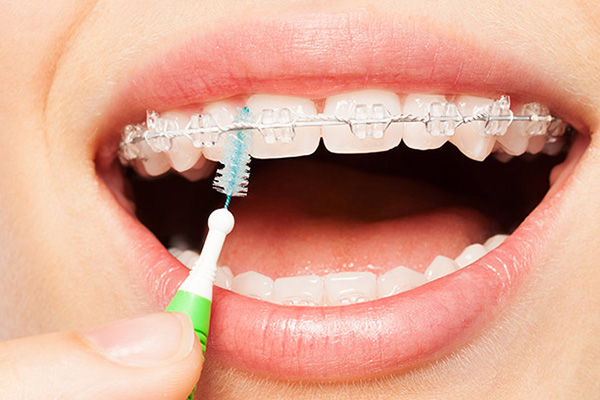
Braces, on the other hand, are visible. Even with tooth-colored ceramic brackets, wires still show. Some teens don’t mind the look. Others see braces as a potential source of self-consciousness. This difference in visibility plays a big part in a teen’s comfort with their treatment, especially during important years of self-image and confidence-building.
Comfort during daily life
Braces use brackets, wires, and bands. These components can sometimes cause irritation inside the mouth. Adjustments every few weeks may also bring soreness as the teeth shift. While manageable, the discomfort can be frustrating—especially during busy school weeks or active sports seasons.
Invisalign uses smooth plastic aligners. Teens wear them over their teeth and change to a new set every one to two weeks. The pressure from new aligners may create some mild tenderness, but most teens report less irritation compared to braces. The absence of wires and metal reduces the risk of mouth sores or cuts, especially for athletes.
Ease of eating and drinking
Anyone with braces has heard the list of foods to avoid: popcorn, sticky candy, hard chips, gum, and even crunchy fruits and vegetables. That’s because those items can damage brackets or get stuck in the hardware. Eating with braces takes some adjustment.
Invisalign aligners are removable. Teens take them out before meals and snacks. That means no long list of restricted foods. However, this convenience comes with responsibility. If a teen forgets to put aligners back in after eating, they risk falling behind in their treatment schedule. To work properly, Invisalign aligners must be worn 20 to 22 hours per day.
Keeping up with oral hygiene
Oral care is a major part of any orthodontic plan. With braces, brushing and flossing take longer. Special tools, such as floss threaders or interdental brushes, may be needed to clean around brackets and wires. Skipping steps can lead to plaque buildup or discoloration.
With Invisalign, teens remove their aligners to brush and floss. This makes it easier to maintain good habits. Clean aligners are also essential, so teens must remember to rinse and brush them daily. While aligners make hygiene easier, they still require discipline. A teen who already struggles with brushing may not be the best candidate for removable aligners.
Time commitment and office visits
Both Invisalign and braces involve regular check-ins with the orthodontist. With braces, visits are usually every four to six weeks for tightening and progress monitoring. Invisalign patients may come in slightly less often, depending on the treatment plan.
There’s another factor to consider—how long the treatment takes overall. Every teen is different, but braces tend to be more effective for complex alignment issues. They often work faster on cases with significant crowding or bite problems. Invisalign may take longer in those situations or require extra attachments to get the same results.
Responsibility and commitment matter
For braces, the orthodontist controls the process. Teens can’t remove them, which helps keep treatment on track. This works well for patients who need structure or are likely to forget steps.
Invisalign puts more responsibility on the teen. They must wear their aligners consistently, clean them properly, and remember to change them on time. Lost or damaged aligners can delay progress. Some teens handle this independence well. Others may need more oversight.
Parents should consider their teen’s habits, routine, and maturity when deciding between the two options.
Activity and lifestyle fit
Teens involved in contact sports often prefer Invisalign because the plastic aligners pose less risk of injury. Mouthguards are easier to fit over aligners than over braces. Musicians who play wind instruments may also find Invisalign less disruptive.
On the other hand, if a teen is likely to take out their aligners for long periods—whether for sports, music practice, or social events—treatment won’t be as effective. In that case, braces might be the better fit.
Cost differences and insurance coverage
In Mississippi, the cost of Invisalign and braces tends to be similar, but there are some variations depending on the complexity of the case. Invisalign is sometimes slightly more expensive due to the customized aligners and advanced imaging required.
Many insurance plans offer coverage for both treatments, though limits and copays vary. Orthodontists usually provide payment plans to help make treatment manageable. Families should ask about financing options and get a full cost breakdown before making a decision.
What to expect from the consultation
The best way to determine which treatment is right for your teen is through a consultation. An orthodontist will take digital images, examine your teen’s bite, and discuss your family’s goals. They’ll explain how each option would work in your teen’s case and answer questions about length of treatment, cost, and care.
Having your teen involved in the discussion is helpful. When teens understand their options and feel heard, they’re more likely to follow through with treatment successfully.
Conclusion
There’s no single answer to the question of Invisalign vs. braces for teens. It depends on personality, lifestyle, dental needs, and family preferences. Some teens thrive with the flexibility of Invisalign. Others do better with the structure of braces.
Whichever path you choose, the end goal is the same—a healthier, straighter smile that will last for years. With the right plan and support, your teen can get the results they want without feeling like they have to give up the activities or confidence they enjoy most.
If you’re ready to explore treatment options for your teen in Mississippi, schedule a consultation with your local orthodontist to get started.