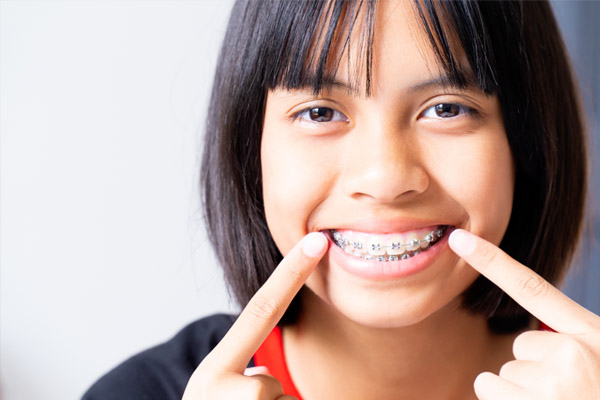
If your teenager has recently started Invisalign or is about to begin treatment, you may be wondering how the process works and what your family should expect along the way. Invisalign has become a preferred alternative to traditional braces for many teens. It offers a flexible, nearly invisible solution that fits more comfortably into busy lifestyles. Still, the journey is more than just wearing clear aligners—it involves commitment, routine, and regular support.
Starting With an Evaluation
The process begins with a full orthodontic assessment. During this appointment, the orthodontist will examine your teen’s teeth, bite, and jaw alignment. Digital scans or impressions may be taken to map out their treatment. Not all teens are ideal candidates for Invisalign, especially if they have more complex orthodontic issues. However, many are. If approved, a custom treatment plan will be created using 3D imaging technology that outlines how each set of aligners will gradually move the teeth.
Receiving the Aligners
Once the plan is ready, your teen will receive their first set of clear aligners. These trays are made from BPA-free plastic and fit snugly over the teeth. Each set is worn for about one to two weeks, depending on the plan. It’s important that your teen wears the aligners for 20 to 22 hours a day. That means they should only be removed for eating, drinking anything other than water, brushing, and flossing.
At first, the aligners may feel tight or uncomfortable. This is a normal part of the adjustment period. Within a few days, the mouth adapts. Speech may also be affected briefly, but this improves as your teen gets used to the trays.
Developing a Consistent Routine
One of the biggest differences between Invisalign and traditional braces is responsibility. Invisalign requires your teen to take ownership of their treatment. That means remembering to wear the aligners and following through with hygiene.
Brushing and flossing become even more important during treatment. Food and bacteria can get trapped between the trays and teeth, leading to decay or gum issues if not properly cleaned. Most teens adapt quickly to the routine, but they will need reminders at first—especially when they’re away from home.
Lost trays can delay treatment, so it’s a good idea to have a case that goes everywhere with them. Keeping up with habits takes effort, but consistent use will lead to the best results.
Monitoring Progress With Checkups
Throughout the treatment, your teen will visit the orthodontist about every six to eight weeks. These checkups allow the orthodontist to track progress, provide new aligners, and make any necessary adjustments to the plan. Some offices also use remote monitoring tools to reduce in-office visits, which can be helpful for busy families.
The aligners are numbered and designed to follow a specific order. Skipping a set or wearing one too long can set back the timeline. That’s why regular check-ins are essential to stay on course.
Dealing With Minor Setbacks
Even with a solid plan, your teen may run into occasional issues. Aligners might crack, be misplaced, or feel uncomfortable. If a tray is damaged, the orthodontist can help determine whether it needs to be replaced or if it’s okay to move on to the next set early.
If your teen forgets to wear the aligners for a day or two, don’t panic. It’s important to get back on track as soon as possible. Let the orthodontist know about any extended lapses in wear time. Sometimes treatment may need to be adjusted slightly to make up for lost time.
Reaching the Final Stage
As your teen nears the end of their aligner sets, the orthodontist will check how well their teeth have responded to the treatment. In many cases, the teeth align as expected. Occasionally, a few extra refinement trays are needed to fine-tune the results. This is normal and part of the process.
Once the treatment is complete, your teen will receive a retainer. Wearing the retainer is just as important as the aligners were. It helps maintain the new position of the teeth and prevents them from shifting back. Your orthodontist will let you know how long the retainer should be worn each day, and whether permanent retention is recommended.
Supporting Your Teen Throughout the Process
While Invisalign gives teens more independence than braces, they still need encouragement and guidance along the way. Check in with them regularly about how they’re doing with the trays and if they’re sticking to the schedule. Make sure they understand the importance of keeping their aligners clean and being honest about any issues that come up.
Celebrate the milestones, even the small ones. Positive reinforcement goes a long way. A compliment about how their smile is changing can boost their motivation to stick with the program.
Conclusion
The Invisalign journey for teens is a commitment, but it’s one that often leads to a healthier bite, straighter teeth, and a more confident smile. The process is designed to be flexible, but it only works when there’s consistency and care.
From understanding the timeline to helping your teen build daily habits, being prepared makes a big difference. With the right support and a little patience, Invisalign can be a smooth and successful experience for your family.
If you’re considering Invisalign for your teen, or if you’re already on the path and have questions, your orthodontist is your best resource. Every step of the way, they’re there to help your teen reach a smile they can be proud of.