Orthodontic treatment is designed to improve your smile, alignment, and bite over time. While most adjustments are routine, sometimes issues arise that require immediate attention. Knowing how to handle minor orthodontic emergencies at home can reduce discomfort and prevent further complications until you can see your orthodontist.
Common Orthodontic Emergencies
Orthodontic emergencies can happen to anyone wearing braces or clear aligners. Some problems, like loose brackets or wires, can be uncomfortable but manageable. Others, such as severe pain or signs of infection, require immediate professional care. Protruding wires may irritate the cheeks or gums, while lost elastics can slow treatment progress. Braces can also create friction points that cause small sores inside the mouth. For those using clear aligners, issues like cracks or lost trays can disrupt treatment if not addressed promptly.
Recognizing these problems early is key to minimizing discomfort and keeping your treatment on track.
Handling Loose Brackets and Wires
If a bracket becomes loose but remains attached to the wire, it is generally safe to leave it in place until your next appointment. Avoid trying to remove it yourself. When a wire is poking into your gums or cheeks, you can gently push it away from the soft tissue using a pencil eraser or orthodontic wax. In some cases, trimming a wire may be necessary, but this should be done carefully with small wire cutters. Covering the wire end with wax prevents further irritation.
Protruding wires can cause small cuts inside the mouth. Using wax to cover the sharp end is the safest way to relieve discomfort. Rinsing with warm saltwater can soothe minor cuts and help prevent infection.
Managing Lost or Broken Elastics
Elastics play a crucial role in correcting bite issues, so replacing them promptly is important. If an elastic breaks or is lost, use a spare if available. Skipping elastic wear, even for a short time, can slow progress. If no replacements are on hand, contact your orthodontist as soon as possible to get new elastics.
Dealing with Irritation and Mouth Sores
Braces can rub against the inside of the lips and cheeks, causing small sores. Warm saltwater rinses can reduce inflammation and promote healing, while over-the-counter gels for mouth ulcers provide temporary relief. Covering the affected areas with orthodontic wax can also prevent further irritation and make eating or speaking more comfortable.
Managing Clear Aligner Problems
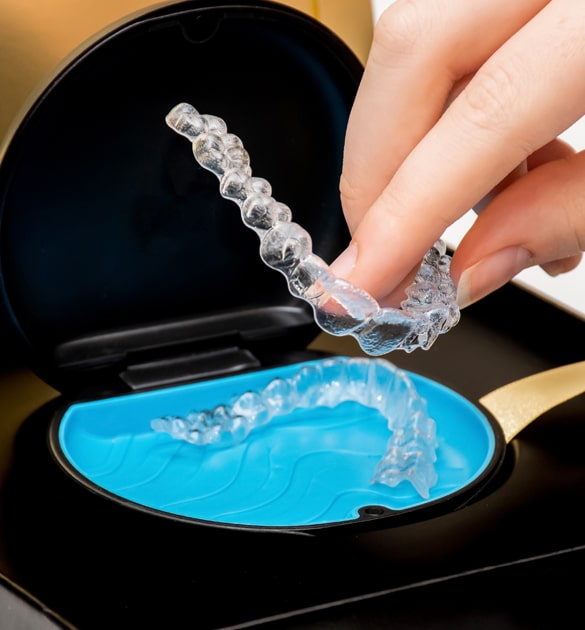
For patients using clear aligners, damage or loss can interrupt treatment. If an aligner cracks or is misplaced, it is generally safe to continue wearing the previous tray until a replacement is available. Trying to modify or cut the aligner yourself can cause more problems. Keep aligners in a protective case when not in use and clean them regularly to maintain oral hygiene and prevent irritation.
Pain Management Strategies
Some discomfort is expected after adjustments, but severe pain may signal an emergency. Over-the-counter pain relievers such as ibuprofen or acetaminophen can help manage mild to moderate pain. Applying a cold compress to the outside of the mouth can reduce swelling and numb sensitive areas. Staying calm and following these strategies can help make minor emergencies more tolerable.
When to Contact Your Orthodontist
Not every problem can be safely managed at home. You should contact your orthodontist immediately if you experience severe pain, swelling, broken wires or brackets that cannot be stabilized with wax, excessive bleeding, or signs of infection such as pus or fever. Prompt care prevents complications and helps keep your treatment on schedule.
Preventing Orthodontic Emergencies
Many orthodontic issues can be avoided with careful habits. Avoid hard, sticky, or chewy foods that can damage braces. Wear a mouthguard during sports or physical activities. Follow instructions for wearing elastics and other appliances, and check braces or aligners regularly for any signs of damage. Keeping a small emergency kit at home with orthodontic wax, a pencil eraser, and spare elastics allows you to handle minor issues quickly.
Staying Calm During an Emergency
Orthodontic emergencies can be stressful, but staying calm is important. Most issues can be managed temporarily at home with simple tools like wax or saltwater rinses. Avoid using household tools in a way that could damage your braces or teeth. Assess the situation carefully, address what you safely can, and contact your orthodontist for guidance when necessary.
Conclusion
Orthodontic emergencies are not uncommon, but knowing how to handle them at home can reduce discomfort and protect your treatment progress. Loose brackets, poking wires, lost elastics, or mouth sores can often be managed with simple at-home techniques. However, timely communication with your orthodontist is essential when problems are severe or persistent. By following proper care guidelines and keeping a small emergency kit at home, you can navigate orthodontic issues safely and keep your treatment on track.