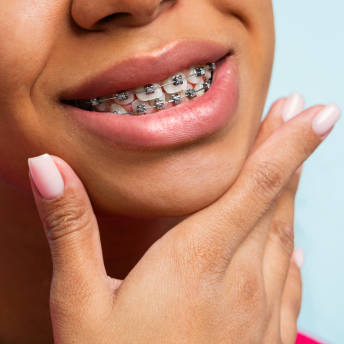
For many patients wearing braces, elastics are a routine part of treatment. While braces alone are effective at straightening teeth, elastics serve a specific purpose that helps achieve a healthy bite and better overall results. Understanding why elastics are sometimes necessary can help patients feel more confident and committed during treatment.
How Braces Work and When Elastics Are Needed
Braces apply continuous pressure to teeth, gradually moving them into the correct positions. The brackets attached to each tooth act as anchors for this movement, while the wires guide the teeth along a predetermined path.
While braces are highly effective at aligning teeth within a single jaw, they may not always fully correct the relationship between the upper and lower jaws.
This is where elastics, or rubber bands, come in. Elastics connect brackets on the upper and lower teeth to apply additional force. This extra pressure helps correct bite issues such as overbite, underbite, crossbite, or open bite. Essentially, they guide the jaws to fit together in a healthier and more functional way.
Common Bite Problems That Require Elastics
Different bite problems demand different elastic placements. For example:
- Overbite: When the upper teeth extend too far over the lower teeth, elastics can pull the lower teeth forward or the upper teeth backward to balance the bite.
- Underbite: If the lower teeth protrude past the upper teeth, elastics help shift the lower jaw backward or the upper jaw forward.
- Crossbite: When some upper teeth sit inside the lower teeth, elastics can nudge the teeth into proper alignment.
- Open bite: If there is a gap when the front teeth meet, elastics encourage the upper and lower teeth to come together correctly.
Each elastic configuration is carefully planned by the orthodontist based on the patient’s specific needs. This personalized approach ensures that treatment is efficient and effective.
How Elastics Work During Treatment
Elastics are made of strong, flexible material that stretches between brackets. They create continuous force over time, helping teeth and jaws move gradually.
The orthodontist will provide specific instructions on where to attach the elastics and how often to wear them. Consistency is critical. Most orthodontists recommend wearing elastics almost all the time, removing them only to eat, brush, or floss. Skipping days can slow progress or even undo some of the work that braces have already achieved.
Over time, patients usually notice their bite improving and teeth fitting together more naturally.
The Role of Patient Compliance
Wearing elastics as instructed is one of the most important factors in successful treatment. If patients do not wear them consistently, the teeth may not move as intended, extending treatment time.
Some patients may experience minor discomfort when first using elastics, which is normal. This usually subsides as the mouth adjusts. Patients should also replace elastics as directed. Overused elastics lose elasticity and provide less force, reducing their effectiveness.
Carrying spare elastics and following the orthodontist’s schedule helps maintain consistent pressure.
Tips for Managing Elastics at Home
Adjusting to elastics can be challenging at first, but a few strategies make it easier:
- Follow the schedule exactly, removing elastics only for meals and oral hygiene.
- Keep extras handy in a small container to replace broken or lost elastics.
- Check placement regularly to ensure elastics are attached to the correct brackets.
- Be patient with minor discomfort during the first few days of use.
Maintaining good oral hygiene is also important. Elastics can trap food and plaque, so brushing and flossing carefully around brackets and wires is essential to prevent cavities and gum irritation.
The Benefits of Using Elastics
When used correctly, elastics can make a significant difference in treatment outcomes. They help:
- Correct jaw alignment for a healthier bite
- Improve facial symmetry
- Reduce long-term wear and tear on teeth
- Ensure that teeth fit together naturally after braces are removed
Patients who diligently follow instructions typically see faster progress and more predictable results. Elastics may be inconvenient at times, but their role in achieving a functional and aesthetically pleasing bite is invaluable.
When to Contact the Orthodontist
Occasionally, patients may have questions or issues with their elastics. Problems such as breaking elastics frequently, difficulty attaching them, or unexpected pain should be discussed with the orthodontist. Adjustments may be needed to the placement or type of elastic to maintain safe and effective treatment.
Conclusion
Elastics are an important tool in modern orthodontics. They work alongside braces to correct bite problems that braces alone cannot fully address. Understanding why elastics are necessary, following the orthodontist’s instructions, and maintaining consistent use are all critical for achieving a healthy, well-aligned smile.
Patients in Jackson who are prescribed elastics can expect a more precise and effective orthodontic outcome when they commit to wearing them as directed. Consistency and communication with the orthodontist ensure that treatment stays on track and delivers the best possible results.