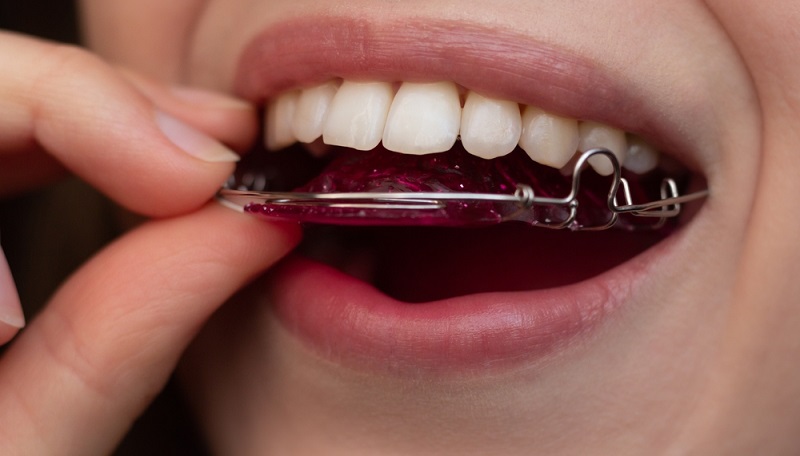
Getting braces or clear aligners is only the beginning of orthodontic treatment. The progress patients see over the following months depends heavily on regular visits with their orthodontist. These appointments may seem routine, and busy schedules can make them tempting to postpone, but each one plays an important role in guiding teeth safely toward their planned positions. During these visits, the orthodontist checks how teeth are responding, makes adjustments when needed, and watches for problems before they grow. For families in Jackson balancing school, work, and activities, understanding why these appointments matter can make it easier to prioritize them. Consistent follow-up care is one of the most practical ways patients can help keep treatment on schedule. Those starting or considering treatment may also want to learn more about working with a Jackson orthodontist and what ongoing care involves.
What Happens During an Orthodontic Adjustment
Adjustment visits vary depending on the type of treatment. Understanding what takes place can help patients feel more prepared and less anxious about each appointment.
Adjustments With Braces
For patients with braces, adjustment appointments often involve changing or reshaping the archwires that apply gentle pressure to the teeth. The orthodontist may replace the small elastic ties that hold the wire in place, reposition brackets if needed, or add elastics or other components to address the bite. Wires are typically changed in a planned sequence, moving from flexible wires early in treatment to firmer wires later. Mild soreness for a few days after an adjustment is common and usually improves on its own. Soft foods and over-the-counter pain relievers, if appropriate for the patient, may help during this period.
Check-Ins With Clear Aligners
Patients using clear aligners change trays at home according to their treatment plan, but periodic check-ins remain important. During these visits, the orthodontist confirms that the aligners are fitting properly and that teeth are tracking as expected. Small tooth-colored attachments may be placed or checked, and minor reshaping between teeth may be performed if it is part of the plan. If teeth are not moving as predicted, the orthodontist may recommend adjustments or additional aligners. These check-ins also provide an opportunity to review how many hours per day the aligners are being worn.
Evaluating Overall Progress
Beyond specific adjustments, each visit gives the orthodontist a chance to evaluate the bigger picture. This may include looking at how the upper and lower teeth fit together, checking tooth roots or jaw development with imaging when appropriate, and reviewing whether the treatment timeline is still realistic. These evaluations help guide decisions for the next stage of care. Patients may also receive updated instructions based on how their teeth have responded since the last visit.
Why Regular Visits Matter
Orthodontic treatment is carefully planned, but teeth do not always move exactly as predicted. Regular appointments help keep treatment on track and address changes as they happen.
Keeping Treatment on Schedule
Braces rely on periodic wire changes and adjustments to continue moving teeth. When appointments are missed or delayed, the wires may stop producing meaningful movement, which can slow progress. Over time, repeated delays may extend the overall length of treatment. Keeping appointments as scheduled helps treatment continue moving forward steadily. If a scheduling conflict arises, contacting the office promptly to reschedule can help limit the impact on progress.
Catching Problems Early
Loose brackets, broken wires, poorly fitting aligners, and areas of gum irritation are easier to address when they are spotted early. The orthodontist may also notice signs of tooth decay, plaque buildup, or white spots on the enamel that require attention. Identifying these issues early can help protect oral health and prevent setbacks in treatment. Patients may not always notice these problems on their own, which is one reason professional check-ins are valuable.
Protecting Teeth and Gums
Teeth need to move at a controlled pace to protect the roots and surrounding bone. Regular monitoring allows the orthodontist to confirm that movement is happening safely. If gums become inflamed or oral hygiene becomes a concern, the orthodontist can offer guidance and recommend additional cleanings or care from a general dentist. Continuing routine dental checkups throughout orthodontic treatment is generally encouraged.
Making the Most of Each Appointment
Patients and parents can take simple steps to help every visit go smoothly. Good preparation and communication often lead to a better experience.
Arriving Prepared
Brushing and flossing before an appointment allows the orthodontist to see teeth and appliances clearly. Aligner patients should bring their current trays, as well as any previous trays or cases requested by the office. Arriving on time helps ensure there is enough time for all planned adjustments. Bringing a list of questions can also make it easier to remember concerns that came up since the last visit.
Sharing Concerns and Asking Questions
Appointments are a good opportunity to mention discomfort, loose parts, difficulty wearing elastics, or problems with aligner fit. Patients can also ask about their progress and what to expect before the next visit. Open communication helps the orthodontist make informed decisions and allows patients to feel more involved in their care. Parents of younger patients may also want to ask how they can best support good habits at home.
Following Instructions Between Visits
What happens between appointments matters just as much as the visits themselves. Wearing elastics or aligners as directed, avoiding foods that can damage braces, and maintaining good oral hygiene all support progress. When instructions are followed consistently, adjustments tend to be more effective. Small daily habits can add up to meaningful progress over the course of treatment.
Staying on Track With Your Treatment
Regular adjustments and check-ins are an essential part of orthodontic care, helping treatment progress safely and on schedule. We understand that fitting appointments into a busy routine can be challenging for patients and families, especially during the school year. As a Jackson orthodontic practice, our team at VIP Smiles works to make each visit efficient, comfortable, and informative so patients always know where their treatment stands. If you have questions about your treatment schedule or would like to begin orthodontic care, we invite you to contact our team to schedule an appointment and learn more about what to expect at each stage of care.