Orthodontic treatment isn’t just for kids and teens. More adults over 50 are turning to orthodontics to improve their dental health and enhance their smiles. Whether someone has crowding, shifting teeth, or bite issues, age doesn’t disqualify anyone from treatment. The key is figuring out which option fits best—traditional braces or Invisalign.
Both methods are effective. But they come with differences that matter, especially for older patients. If you’re considering orthodontic treatment later in life, it helps to understand what each option involves and what makes one choice more suitable than the other.
Why Orthodontics Still Matters in Later Years
Teeth naturally shift over time. Even people who had braces as teenagers may notice their teeth becoming misaligned in their 40s, 50s, or beyond. This can cause more than cosmetic concerns. Crooked teeth can lead to uneven wear, gum issues, and difficulty cleaning certain areas, which increases the risk of cavities and gum disease.
Orthodontic treatment can improve bite alignment, speech, and jaw function. It also supports better long-term oral hygiene. Many seniors choose to straighten their teeth to avoid more complex dental problems in the future.
How Braces Work for Older Adults
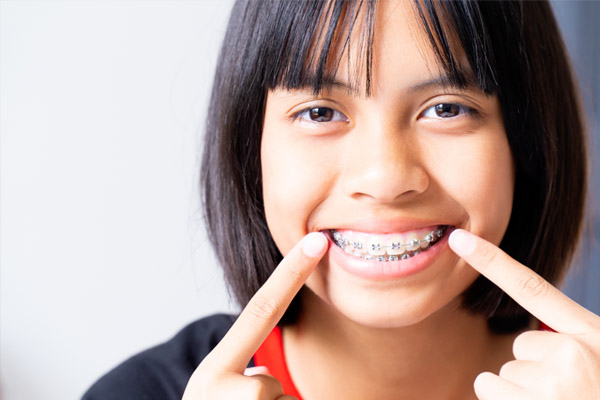
Traditional braces use metal or ceramic brackets attached to the teeth with wires that guide movement over time. Today’s versions are more comfortable and less bulky than they used to be. Ceramic brackets blend better with natural teeth, making them a more discreet option for adults.
Braces can be especially effective in treating more complex cases, like severe bite problems or rotated teeth. Because the system is fixed, there’s no risk of losing them or forgetting to wear them. That can be helpful for older patients who prefer a consistent routine.
However, braces can make daily oral hygiene more challenging. Flossing and brushing around the brackets takes extra care. People with arthritis or limited dexterity may find that difficult. Some may also feel self-conscious about the appearance of braces, even if they are clear or tooth-colored.
What to Know About Invisalign for Seniors
Invisalign uses a series of clear aligners that fit snugly over the teeth and gradually shift them into place. These aligners are removable, which makes eating, brushing, and flossing easier. Many adults appreciate how discreet the aligners look and how they can be taken out for special events or meals.
Invisalign is a good choice for mild to moderate crowding, spacing, or alignment issues. Treatment can be just as effective as braces in these cases when worn consistently—usually 20 to 22 hours per day. The responsibility of removing and replacing the aligners falls on the patient, so motivation and consistency are important.
For seniors with dental restorations like crowns or bridges, Invisalign is often gentler. It doesn’t involve bonding brackets directly to the teeth, which may be better for aging enamel or restored teeth. However, people with more complex bite issues might not be good candidates for Invisalign without added appliances or modifications.
Factors That Influence the Best Choice
Choosing between braces and Invisalign depends on more than preference. Here are key points to consider:
Dental and Gum Health
Gum disease is more common with age. Orthodontic treatment works best when gums are healthy. Braces can make it harder to keep plaque away, while Invisalign allows for better access during brushing and flossing. If you’ve had gum disease in the past, Invisalign might be a better fit.
Lifestyle and Habits
Think about your day-to-day routine. If you travel often or enjoy snacking frequently, Invisalign may become inconvenient since aligners need to be removed before eating and drinking anything but water. Braces stay in place at all times, which removes that concern but adds more effort to daily cleaning.
Dexterity and Vision
Older adults with arthritis or vision problems may struggle with tasks like removing tight aligners or cleaning around brackets. In those cases, it’s worth discussing options with your orthodontist to find the most manageable approach.
Treatment Complexity
Some alignment problems need the precision and control of braces. Others respond well to clear aligners. An orthodontist can evaluate your bite and recommend which system is more likely to give you the results you want in a safe and predictable way.
Appearance and Comfort
Clear aligners are nearly invisible and may feel smoother than braces. Many older patients choose Invisalign for this reason alone. However, some people don’t mind the look of braces, especially ceramic ones that blend in. Comfort is subjective, but both options have improved significantly over the years.
Treatment Time and Follow-Up
Treatment length varies depending on how much correction is needed. On average, both braces and Invisalign take about 12 to 24 months. Seniors with good oral health can expect treatment to progress similarly to younger adults.
Regular check-ins are required with both methods. Braces typically involve in-office adjustments every few weeks. Invisalign users switch to a new set of aligners every one to two weeks and usually visit the orthodontist every six to eight weeks.
The Role of Your Orthodontist
Working with an experienced orthodontist is essential at any age. For seniors, that expertise becomes even more important. Older adults may have unique concerns—bone density, prior dental work, or gum health—that influence treatment planning. A customized approach ensures that your teeth shift safely and effectively without causing damage to surrounding structures.
Cost and Insurance Considerations
The cost of braces and Invisalign is usually comparable, though it can vary depending on your specific needs and treatment duration. Some dental insurance plans cover adult orthodontic treatment, but not all do. Payment plans or financing may also be available. Always ask your orthodontist’s office to help break down the estimated costs and available options.
Conclusion
Age isn’t a barrier to a better smile. Both braces and Invisalign offer reliable ways to correct alignment and improve oral health. The right choice depends on your goals, dental condition, and lifestyle.
If you’re an older adult considering orthodontic treatment, start with a consultation. An orthodontist can evaluate your needs, answer your questions, and guide you toward the option that fits best. Whether you choose braces or Invisalign, the decision is about investing in your long-term dental well-being and feeling confident in your smile at any age.