For many teenagers, getting braces is a common part of growing up. While the idea of wearing braces might feel overwhelming or even a little intimidating at first, understanding the entire process from beginning to end can help reduce anxiety and set clear expectations. Knowing what to expect at each stage—from the initial consultation to the day the braces come off—can make the experience smoother and less stressful.
The First Step Is the Evaluation
The process begins with an orthodontic evaluation. This typically happens between ages 11 and 14, although some teens may start earlier or later depending on their needs. During this visit, the orthodontist checks the alignment of the teeth and jaws. X-rays, photos, and impressions may be taken to better understand what type of treatment is needed.
This appointment isn’t just about deciding whether braces are necessary. It’s also an opportunity to ask questions and talk about concerns. The orthodontist will explain possible treatment options, how long the treatment might last, and what kind of results are expected.
Getting Ready for Treatment
Before braces are applied, some teens may need to complete additional dental work. This could include removing baby teeth that haven’t fallen out or correcting crowding with spacers. In some cases, the orthodontist might recommend extracting a permanent tooth to make space for alignment.
Good oral hygiene is essential during this phase. Teens should make sure they’re brushing and flossing properly because a clean mouth makes the placement and success of braces much smoother.
The Day Braces Are Put On
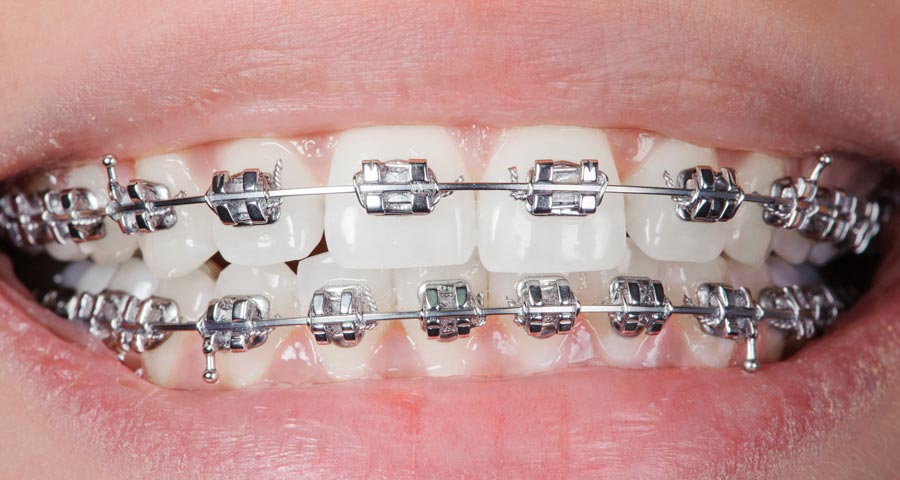
Getting braces placed usually takes about one to two hours. The process isn’t painful, but it can feel strange. The teeth are cleaned, and small brackets are bonded to the surface of each tooth. A wire is threaded through the brackets and held in place with small rubber bands.
Teens may feel some tightness or discomfort as the braces start applying pressure to shift the teeth. This is completely normal and typically fades within a few days. Eating soft foods and taking over-the-counter pain relief can help manage this initial soreness.
The First Few Weeks
Adjusting to braces takes time. Talking and eating might feel different at first. Foods like apples, popcorn, and chewing gum should be avoided, as they can damage the wires or brackets. Teens will also need to get used to brushing and flossing around their new hardware.
Some may experience mouth irritation as their lips and cheeks adjust. Orthodontic wax can be placed on brackets to ease this irritation. Within a few weeks, most teens find that braces feel like just another part of their daily routine.
Regular Adjustments Keep Progress on Track
Braces work by gently shifting teeth into better alignment over time. To keep that process going, regular orthodontic visits are required—usually every four to eight weeks. During these appointments, the orthodontist will tighten the wires, change elastics, and check progress.
Each adjustment may cause some temporary soreness, but it typically doesn’t last long. These visits are crucial to staying on schedule, so it’s important not to skip them.
The Average Timeline for Treatment
The length of time a teen will wear braces depends on the complexity of their case. On average, treatment lasts between 18 and 24 months. Some teens with minor alignment issues may only need braces for a year, while others with more complicated conditions might need them for up to three years.
Following instructions from the orthodontist—like wearing rubber bands as directed—can help keep treatment on track and prevent delays. Skipping appointments or not caring for the braces properly can extend the timeline.
Life with Braces
While wearing braces, teens can still participate in sports, play musical instruments, and enjoy most of the activities they love. However, a few precautions are necessary. Mouthguards should be worn during contact sports to protect both the braces and the mouth. A few food adjustments may also be needed to avoid damaging brackets or wires.
Social situations can sometimes feel awkward at first, especially when braces are new. But many teens find that after a few weeks, they forget they’re even wearing them. Friends, classmates, and even celebrities have braces—it’s a common experience.
Monitoring Oral Health
Brushing after every meal and flossing daily are more important than ever during orthodontic treatment. Plaque and food particles can easily get stuck around brackets and wires. If not cleaned properly, this can lead to cavities or permanent marks on the teeth.
Using tools like a floss threader or water flosser can make cleaning easier. Some orthodontic offices also recommend using fluoride mouthwash to strengthen enamel and protect against decay.
The Final Stretch
When the time comes to remove the braces, it’s an exciting day. The process is usually quick and painless. The orthodontist removes the brackets and cleans away any remaining adhesive. For the first time in a long while, teens can see their full smile—straight and aligned.
But treatment doesn’t stop there. A retainer will be provided to help keep the teeth in their new positions. Some retainers are removable, while others are fixed behind the teeth. Wearing a retainer as instructed is essential to protect the investment of time and effort that went into treatment.
Staying Positive During the Journey
There will be challenges along the way—some soreness, dietary changes, and extra time spent brushing and flossing. But the long-term benefits are worth it. Straight teeth not only look great but also make it easier to clean the mouth, which can lead to better overall oral health.
Support from parents, friends, and the orthodontic team can make a big difference. Encouragement goes a long way during those tough weeks or after an uncomfortable adjustment.
Conclusion
Getting braces is a process that unfolds over time, with several phases that each play an important role in reaching the final result. For teens in Mississippi and beyond, understanding what to expect can turn the unknown into something manageable. With the right mindset, good habits, and consistent care, the braces journey becomes a valuable step toward a lifetime of healthy, confident smiles.