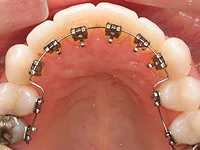
When people think about braces, they often picture straightening crooked teeth. Yet many patients also have concerns about how their upper and lower jaws line up, such as an underbite, a deep overbite, or teeth that do not meet properly when biting down. These issues can affect chewing, speaking, facial balance, and how teeth wear over time. Braces can play an important role in addressing many bite and jaw alignment problems, but what they can achieve depends on whether the issue comes from the position of the teeth, the jaws themselves, or a combination of both. Age also matters, since growing children and adults respond differently to treatment. For patients and families in Jackson, understanding these differences can help set realistic expectations. Those exploring treatment may also want to learn more about braces in Jackson and how they are used to improve bite alignment.
Understanding Jaw Alignment Problems
Jaw alignment problems are often grouped together under the term malocclusion, which simply means the teeth and jaws do not fit together as they ideally should. Several common patterns are frequently seen in orthodontic practices.
Overbite, Underbite, and Crossbite
In a deep overbite, the upper front teeth overlap the lower front teeth too much vertically, while excessive overjet describes upper teeth that stick out too far forward. An underbite occurs when the lower teeth sit in front of the upper teeth. A crossbite happens when some upper teeth sit inside the lower teeth rather than outside them, which can occur on one side or in the front of the mouth. Each of these patterns can affect how the teeth and jaws function together.
Open Bite and Midline Shifts
An open bite occurs when certain teeth do not touch when the mouth is closed, often leaving a gap between the front teeth. Habits such as thumb sucking or tongue thrusting may contribute in some cases. A midline shift occurs when the center of the upper teeth does not line up with the center of the lower teeth, which may relate to tooth position or jaw asymmetry. Identifying the underlying cause helps the orthodontist decide how best to correct it.
Dental Versus Skeletal Causes
The cause of a bite problem often determines how it can be treated. Orthodontists typically evaluate records such as X-rays and scans to understand what is contributing to the issue.
When the Problem Is Mainly the Teeth
Some bite issues are primarily dental, meaning the jaws are reasonably well aligned but the teeth are tipped or positioned incorrectly. Braces are often well suited to these cases because they can move teeth in precise directions. Elastics connecting the upper and lower braces may also be used to help shift the bite into better alignment. Many mild to moderate overbites, underbites, and crossbites fall into this category. The length of treatment in these cases depends on how much movement is needed and how consistently elastics are worn.
When the Jaws Themselves Are Involved
Other bite problems are skeletal, meaning the size or position of the upper or lower jaw is the main cause. Braces move teeth, but they generally cannot change the size of fully developed jawbones. In these cases, braces may still help improve how the teeth fit, but additional treatment may be needed for more significant skeletal differences. The orthodontist can explain which approach may be appropriate based on the severity of the issue. In some cases, treatment focuses on improving function and appearance within the limits of the existing jaw structure.
How Age Affects Treatment
Timing plays an important role in jaw alignment treatment. Children, teens, and adults may have different options available.
Guiding Growth in Children
In growing children, orthodontists may be able to influence how the jaws develop. Appliances such as palatal expanders can widen a narrow upper jaw, and other devices may help guide the growth of the upper or lower jaw. This is one reason orthodontic professionals commonly recommend an initial evaluation around age seven. Early treatment is not necessary for every child, but it may be helpful when certain skeletal issues are identified.
Options for Adults
Once jaw growth is complete, the options change. Braces can still improve many bite problems in adults by moving teeth to compensate for mild jaw differences. For more severe skeletal issues, orthodontic treatment may be combined with corrective jaw surgery performed by an oral and maxillofacial surgeon. In these cases, braces are typically used before and after surgery to position the teeth properly. Planning for combined treatment usually involves careful coordination between the orthodontist and surgeon.
Benefits of Improving Jaw Alignment
Correcting a bite problem can offer benefits beyond appearance. The specific improvements depend on the patient and the type of issue involved.
Function and Tooth Protection
A better-aligned bite may make chewing more efficient and reduce uneven wear on certain teeth. Correcting crossbites and deep bites can also help reduce stress on individual teeth and gums. Some patients notice improvements in speech when tooth and jaw positions change, although results vary. Improved alignment may also make it easier to clean certain areas of the mouth.
A Note on Jaw Joint Discomfort
Some patients with bite problems also experience jaw joint discomfort. While improving the bite may be part of a broader approach for certain patients, jaw joint problems can have many causes. An orthodontist can evaluate whether bite alignment may be a contributing factor and recommend appropriate next steps. In some situations, input from the patient’s dentist or another specialist may also be helpful.
Finding the Right Approach for Your Bite
Braces can help with many jaw alignment issues, particularly when the problem involves tooth position or when treatment begins during growth. We believe every patient deserves a clear, honest explanation of what treatment can realistically achieve, along with the time and commitment involved. As a trusted Jackson orthodontist, our experienced team at VIP Smiles carefully evaluates each patient’s bite and jaw structure before recommending a personalized treatment plan. If you or your child has concerns about jaw alignment, we invite you to schedule a consultation with our team to discuss your options and the next steps that may be right for you.