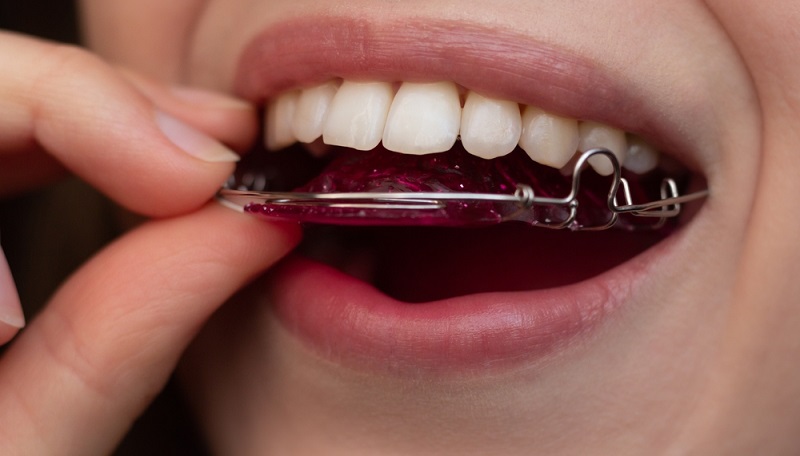
When it comes to orthodontics, many people think of teenagers with metal braces. But early treatment can begin long before the teenage years. One option more parents are exploring is Invisalign First—a clear aligner system designed for children with growing smiles. As more families in Mississippi learn about the advantages of early intervention, this solution is becoming a popular choice for addressing orthodontic issues before they become more complicated.
Understanding Why Early Orthodontic Treatment Matters
Early orthodontic care, also known as Phase 1 treatment, typically begins between ages six and ten. At this stage, children still have a mix of baby and permanent teeth. It’s an ideal time to identify and correct developing problems such as crowding, spacing, crossbites, and jaw alignment. The main goal of early treatment is to guide proper dental development and create room for permanent teeth.
Starting orthodontic care during this window may reduce the need for extractions or more invasive procedures later. It can also make future treatment shorter and less complex. Parents who take a proactive approach often find that their child is more comfortable and confident throughout the process.
What Makes Invisalign First Different
Invisalign First is a version of Invisalign that’s specifically designed for younger patients. Like the standard version, it uses a series of clear plastic aligners to gradually move teeth into their proper positions. But Invisalign First goes a step further. It is tailored to accommodate the growing jaws and mixed dentition of children, offering unique features like dental arch expansion and spacing control.
The aligners are custom-made based on digital scans of your child’s mouth. They’re removable, smooth, and free from wires or brackets, which many kids—and their parents—appreciate. Children can eat their favorite foods, maintain good oral hygiene, and avoid many of the common issues associated with traditional braces.
Comfort and Convenience for Active Kids
Invisalign First aligners are smooth and gentle on the mouth. There are no brackets or wires to break or cause irritation, which means fewer emergency visits to the orthodontist. For children who play sports or musical instruments, this can be a big advantage. Mouthguards fit more easily over the aligners than they do over braces, and there’s less worry about injury during contact activities.
Kids can also take the aligners out to brush and floss, helping them maintain healthy teeth and gums during treatment. This is especially important during the early years when children are still developing good oral hygiene habits.
No Food Restrictions or Embarrassing Moments
Children wearing Invisalign First don’t have to give up popcorn, sticky candy, or crunchy snacks—foods that are typically off-limits with braces. They can take their aligners out during meals and enjoy their favorite treats without worry.
Social situations are also a lot easier to manage. Clear aligners are discreet, which helps children feel more comfortable speaking, smiling, and interacting with peers. For kids who may already feel self-conscious, this can make a big difference in how they view orthodontic treatment.
Monitoring Progress with Less Hassle
Invisalign First uses advanced digital planning tools to predict how teeth will move over time. This allows orthodontists to design a treatment plan that’s efficient and effective. Progress is tracked through regular appointments, but these visits are often shorter and less frequent than those needed with traditional braces.
Some providers even offer virtual check-ins using photos or apps, giving busy parents added convenience. This flexibility is a relief for families juggling school schedules, sports practices, and work commitments.
Addressing Common Orthodontic Problems Early
Invisalign First is capable of correcting a range of early orthodontic concerns. These may include:
- Narrow dental arches
- Crowded baby teeth
- Spacing issues
- Overbites and underbites
- Crossbites and open bites
By addressing these issues early, Invisalign First can help create the space needed for permanent teeth to grow in properly. This can set the stage for a healthier smile and reduce the likelihood of needing extensive orthodontic work during the teenage years.
Supporting Jaw Development During Growth
One of the key advantages of early treatment with Invisalign First is its ability to support natural jaw growth. When upper or lower jaws are developing unevenly, it can lead to bite problems or facial asymmetry. Invisalign First helps gently guide jaw development, encouraging a better overall fit between the top and bottom teeth.
This type of guidance is most effective during growth spurts, which is why orthodontists often recommend treatment during the early years. Waiting until the teen years can sometimes mean missing this window of opportunity.
Helping Children Build Confidence in Their Smile
Orthodontic problems can affect more than just teeth—they can impact how a child feels about themselves. If a child is teased about crooked teeth or feels uncomfortable smiling, that can affect their confidence at a critical time in their development.
Invisalign First provides a discreet and comfortable way to start treatment without drawing unwanted attention. Children who feel good about their treatment are more likely to stick with it, take care of their aligners, and complete the process with a positive outlook.
How to Know if Your Child Is a Candidate
Not every child will need Phase 1 treatment, but it’s a good idea to schedule an orthodontic evaluation by age seven. At this point, an orthodontist can assess how the teeth and jaws are developing and determine whether early intervention is appropriate.
If your child is a good candidate for Invisalign First, your orthodontist will explain the treatment process, show you what to expect, and answer your questions. Every plan is customized, so your child receives care that’s suited to their needs and growth pattern.
Conclusion
Finding an experienced provider who offers Invisalign First is essential. Not all orthodontists offer this treatment, so be sure to ask if it’s an option during your consultation. Look for a practice that understands how to work with younger patients and that takes the time to explain each step of the process.
In Mississippi, more parents are learning how early orthodontic care can give their children a head start toward a healthier, straighter smile. Invisalign First is a flexible, modern way to address dental issues during critical years of growth.
Whether you’re just starting to think about orthodontic treatment or you’ve been referred by your child’s dentist, now is a great time to explore your options. Early care can make a lasting difference, and Invisalign First offers a gentle, effective path forward for growing smiles.