When it comes to straightening teeth, many people hesitate because they don’t want the noticeable look of traditional braces. Fortunately, orthodontic technology has advanced, and options like lingual braces offer a discreet way to improve your smile. But are these hidden braces the right fit for you? Let’s explore what lingual braces are, their benefits, potential drawbacks, and who makes the best candidate for this treatment.
What Are Lingual Braces
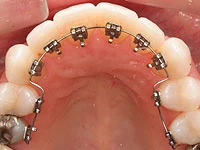
Lingual braces are a type of orthodontic treatment that attaches the brackets and wires to the back side of your teeth, the side facing the tongue. This positioning makes them virtually invisible from the front. Unlike traditional braces, which are placed on the front surfaces, lingual braces allow you to straighten your teeth without a noticeable metal smile.
The brackets on lingual braces are custom-made to fit the contours of your teeth. This customization helps with comfort and effectiveness. Because they are behind the teeth, only you and your orthodontist see them, making them popular among adults and teens who want to keep their orthodontic treatment private.
Benefits of Choosing Lingual Braces
The main advantage of lingual braces is their discreet appearance. This makes them appealing for people who work in professional environments, perform on stage, or simply want a less obvious way to fix their teeth. Here are some other benefits:
- Effective for Various Issues: Lingual braces can treat many orthodontic problems, including crowding, gaps, bite issues, and teeth rotation.
- No Visible Metal Fronts: Since the braces are hidden behind your teeth, there’s no impact on your outward appearance.
- Custom Fit: The brackets are made based on precise molds or scans of your teeth, which can improve comfort.
- No Risk of Front Surface Decalcification: Traditional braces sometimes cause white spots on the front of teeth; this risk is lower with lingual braces because they don’t attach to the front.
Potential Drawbacks to Consider
Like any orthodontic treatment, lingual braces come with some challenges and limitations. It’s important to understand these before deciding:
- Cost: Lingual braces tend to be more expensive than traditional braces due to the customization and specialized work required.
- Adjustment Period: Because they sit close to the tongue, lingual braces may initially cause discomfort or affect your speech. Most patients adapt over a few weeks.
- Maintenance and Cleaning: Cleaning can be trickier because the brackets are harder to see and reach. You will need to be diligent with oral hygiene to avoid plaque buildup.
- Not Ideal for All Cases: Severe bite issues or very small teeth may not be suitable for lingual braces. Your orthodontist will assess whether your case qualifies.
- Longer Appointment Times: Because of the braces’ position and complexity, adjustments can take more time during visits.
Who Should Consider Lingual Braces
Lingual braces are a good choice for patients who want a discreet treatment option and have mild to moderate orthodontic issues. Adults and teenagers who feel self-conscious about traditional braces often find lingual braces appealing. Professionals who interact frequently with clients, performers, and public speakers are also common candidates.
However, they might not be the best fit for younger children or people with complex bite problems. Those with a strong gag reflex or who have trouble adapting to appliances inside their mouth may find lingual braces uncomfortable.
Your orthodontist will evaluate your teeth, bite, and overall oral health to recommend the best treatment plan. Sometimes a combination of treatments, including clear aligners or traditional braces, might be better.
The Treatment Process with Lingual Braces
If you choose lingual braces, your orthodontist will first take impressions or digital scans of your teeth. These are sent to a lab where the custom brackets are created to fit precisely behind your teeth. Once ready, your orthodontist will bond the brackets and thread the wires.
You will have regular adjustment appointments, usually every 6 to 8 weeks. These visits allow your orthodontist to tighten or adjust the wires to move your teeth gradually into the desired position.
Treatment length varies depending on your needs but typically lasts between 18 months and 3 years. During this time, you may notice changes in your speech and tongue comfort, but these usually improve with time.
Tips for Living with Lingual Braces
To get the best results and stay comfortable during your treatment, consider these tips:
- Practice speaking aloud to get used to how the braces feel against your tongue.
- Use orthodontic wax on any brackets that cause irritation.
- Maintain excellent oral hygiene with special brushes and flossing tools designed for braces.
- Avoid hard, sticky, or crunchy foods that can damage your brackets.
- Follow your orthodontist’s instructions closely, especially about cleaning and appointments.
Lingual Braces Compared to Other Options
If you want a hidden orthodontic solution but wonder how lingual braces compare to clear aligners like Invisalign, here are some points to consider:
- Effectiveness: Lingual braces can treat complex tooth movements better than clear aligners.
- Appearance: Both are discreet, but clear aligners are completely removable and invisible, while lingual braces are fixed but hidden behind the teeth.
- Comfort: Clear aligners may feel less intrusive, but they require discipline to wear 20-22 hours a day.
- Cost: Both tend to be pricier than traditional braces, though costs vary.
Discuss all your options with your orthodontist to find the right fit for your lifestyle and dental needs.
Conclusion
Lingual braces offer a valuable solution for people who want effective orthodontic treatment without the look of metal braces on their front teeth. They combine the benefits of traditional braces with the advantage of being hidden from view. However, they do require some adjustment and careful maintenance.
If you live in Mississippi and are considering lingual braces, consult with a trusted orthodontist to see if they are the best choice for your unique smile. With the right care and commitment, lingual braces can help you achieve a beautiful, confident smile without drawing attention during the process.