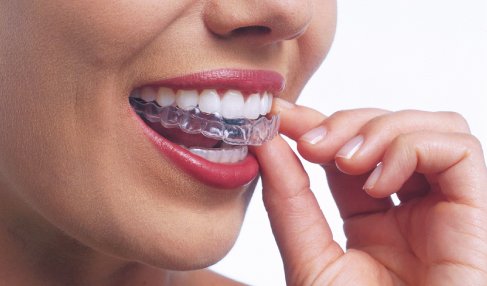
At-home teeth aligners have grown rapidly in popularity. They promise straight teeth without office visits, lower prices, and total convenience. For many people in Jackson, that sounds appealing. But what is often missing from the ads is the full picture. These systems come with risks and hidden costs that do not show up on the first checkout screen.
Straightening teeth is a medical process. Teeth are attached to bone, nerves, and gums. Moving them changes more than just your smile. When treatment is done without in-person exams and ongoing supervision, problems can develop quietly and become expensive to fix.
How At-Home Aligner Systems Work
Most at-home aligner companies follow a similar model. You start by taking a scan or impression at home or in a retail location. A remote provider reviews your images and creates a treatment plan using software. A series of plastic trays is mailed to you, and you are instructed to change them every few weeks while checking in online. There are usually no X-rays or in-depth exams of your jaw, gums, or tooth roots. If something feels wrong, you submit photos and wait for a response.
This approach can work for very minor cosmetic adjustments. But teeth do not always move the way software predicts. When real biology does not match the digital plan, problems can start early and accumulate over time.
What the Ads Do Not Emphasize
Marketing for mail order aligners focuses heavily on price and convenience. What often gets overlooked are the limits of remote care. Teeth movement depends on several factors, including bone density, root shape, bite forces, and gum health. None of these can be fully evaluated through photos alone. Some people have underlying issues they do not feel until it is too late. Without proper screening and supervision, aligners can make these problems worse.
Even when treatment seems to go well initially, small errors can build over time. By the end of treatment, patients may experience bite problems, loose teeth, or gum damage that requires additional care.
Hidden Costs of At-Home Aligners
One of the most common issues is a misaligned bite. Teeth may look straighter, but they may not fit together properly. This can cause jaw pain, headaches, tooth wear, and difficulty chewing. Fixing a bite problem often requires braces or professionally guided aligners, which can be much more expensive than the original at-home plan.
Gums and bone are another area of concern. If teeth move too fast or in the wrong direction, the bone may not keep up, leading to gum recession or bone loss. These problems are not always painful at first, and by the time they are noticeable, treatment may involve complex procedures such as gum grafting or periodontal therapy, which can be costly.
Emergency dental visits are another hidden expense. When something goes wrong with at-home aligners, there is no local provider to see you immediately. Broken trays, severe pain, or cuts to the gums often require urgent care, and these visits are rarely covered by aligner plans, adding unexpected costs.
Sometimes, teeth stop tracking with the trays altogether. Mail order companies may offer refinements, but delays or denials can leave patients with uneven teeth halfway through treatment. At that point, many turn to a local orthodontist to start over, which adds both time and expense. After treatment, retainers are crucial to maintain results. Mail order retainers may not fit perfectly or last long, and if they fail, teeth can shift back, undoing months of progress and potentially requiring additional aligners or braces.
Why Professional Orthodontic Care Matters
When you visit a local orthodontist in Jackson, your treatment begins with a comprehensive exam. This includes X-rays, photographs, and a full evaluation of your bite, jaw, and gum health. Treatment plans are based on clinical findings, not just software. Adjustments are made as your teeth move, and any problems can be addressed immediately. This in-person supervision reduces risk and can save money in the long run by preventing complications.
Teeth do not always move as expected. Some rotate, lag, or shift in unexpected ways. Office visits allow your orthodontist to catch issues early and make corrections. Remote systems rely on photos that may not show subtle changes, and by the time a problem becomes visible online, damage may already have occurred.
Experience Matters
Orthodontists train for years to understand how teeth, bone, and jaws interact. Mail order systems use general guidelines that cannot account for every variation in anatomy or healing response. Experience becomes especially important when complications arise, as a trained orthodontist can adjust treatment quickly and safely, whereas a remote platform may not be able to respond adequately.
Cost Comparison Over Time
At first glance, at-home aligners may seem cheaper. But hidden costs often erase those savings. Problems such as bite misalignment, gum damage, emergency visits, incomplete treatment, or retainer failure can result in additional treatments that quickly surpass the original cost. In contrast, professional care includes exams, monitoring, adjustments, and retainers, which often proves more cost-effective over time because it prevents costly mistakes.
Convenience Versus Control
Mail order aligners are marketed as convenient, but convenience is not the same as control. Patients are responsible for noticing problems and making decisions about their care, often without the knowledge to detect issues early. Professional care shares that responsibility with a trained provider who can catch and correct problems before they escalate.
Local Care in Jackson Offers Access and Trust
Visiting a local orthodontist provides more than just straight teeth. It ensures quick access for questions or emergencies, personalized guidance and adjustments, and a professional team that understands your progress and goals. This level of support is difficult or impossible to obtain from a remote provider.
Who At-Home Aligners May Be Right For
Some people with very minor spacing or crowding may do well with at-home aligners. However, those with bite issues, jaw problems, gum disease, or previous orthodontic relapse are better served by in-person care. A professional exam is the best way to determine what is safe for your specific needs.
Choosing the Right Path
Straight teeth affect more than appearance—they impact chewing, speaking, and long-term oral health. Before choosing the cheapest option, it is important to consider the full implications, including what happens if complications arise, who is responsible for fixing them, and the overall cost over time. Professional orthodontic care protects your smile, your health, and your budget.
Conclusion
At-home aligners promise easy results, but hidden costs often appear as bite problems, gum damage, emergency visits, failed treatment, and relapse. Professional care includes diagnosis, in-person monitoring, and expert adjustments. It reduces risk and protects your long-term oral health.
Your smile is not a product. It is part of your health. Choosing the right care now can save time, money, and stress later.