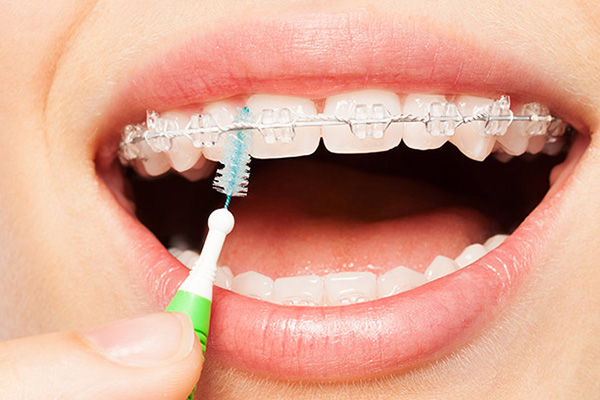
When it comes to straightening teeth, braces remain one of the most effective options available. If you’re considering orthodontic treatment in Mississippi, you might have heard about both clear braces and traditional metal braces. While both work toward the same goal—aligning your teeth—their appearance, material, and experience can vary. Knowing the key differences can help you decide which option fits your lifestyle and treatment needs best.
Material and Appearance
Traditional metal braces are made from stainless steel brackets and wires. They are strong and durable, making them effective for most orthodontic cases. The metal brackets are fixed to the front of your teeth and connected by wires, which are periodically tightened to guide your teeth into proper alignment.
Clear braces, on the other hand, use brackets made from ceramic or composite materials. These brackets blend in with your natural tooth color, making them less noticeable. The wires used with clear braces may also be tooth-colored or coated to reduce visibility. Because of this, clear braces are often chosen by adults or teens who want a more discreet treatment option.
Durability and Strength
Metal braces have long been favored because of their strength. They are less likely to break or chip and can handle more complex tooth movements. This makes metal braces a reliable choice for severe cases like significant overcrowding or bite problems.
Clear braces, while strong, are generally more brittle than metal. The ceramic material can chip or crack if not handled carefully. For patients with active lifestyles or who play contact sports, metal braces might be a safer option. However, clear braces have improved over the years and are becoming more durable with advanced materials.
Comfort and Irritation
Comfort during orthodontic treatment is important. Both types of braces use brackets and wires, which can cause some irritation inside the mouth. Metal braces tend to be smoother because the edges are polished stainless steel. Clear braces sometimes have rougher edges due to the ceramic material, which could lead to minor discomfort.
That said, each orthodontist customizes the braces and wires to minimize irritation. Using orthodontic wax or other products can help reduce soreness regardless of the type of braces you choose.
Staining and Maintenance
Clear braces require extra care to maintain their appearance. Because the brackets are tooth-colored or transparent, they can stain over time from foods and drinks like coffee, tea, or colored sodas. Smoking can also cause discoloration. It’s important to practice good oral hygiene and avoid staining substances during treatment.
Metal braces do not stain or discolor. The stainless steel keeps its shiny, silver look throughout the treatment period. However, the elastic bands used with metal braces (which hold the wires in place) may stain, though these bands are replaced regularly during orthodontic visits.
Treatment Time and Effectiveness
Both clear and metal braces are effective at correcting a wide range of orthodontic issues. In terms of treatment length, they are often similar. Some orthodontists note that metal braces may offer slightly faster results in certain cases because they allow for tighter adjustments.
Clear braces can be just as effective but may require more attention to avoid breakage. Your orthodontist will recommend the best option based on the severity of your case and your treatment goals.
Cost Differences
Cost is an important factor when choosing braces. Clear braces tend to be more expensive than metal braces because of the materials and aesthetics involved. Insurance plans may cover metal braces more fully than clear ones. It’s worth discussing payment options and insurance coverage with your orthodontic office in Mississippi to understand what fits your budget.
Who Should Choose Which
Metal braces are often recommended for younger patients or those with complex orthodontic needs. They are tough, reliable, and cost-effective. Clear braces appeal more to adults or teens who want a less noticeable treatment. They combine function with improved aesthetics but may require more care.
In some cases, patients may even combine braces with other treatments like Invisalign aligners depending on their preferences and needs.
Daily Life With Clear or Metal Braces
Living with braces means adapting to some changes. Eating habits will need adjustment to avoid hard or sticky foods that can damage brackets or wires. Both clear and metal braces require consistent oral hygiene to prevent cavities and gum problems during treatment.
Because clear braces are less visible, patients often feel more confident smiling during the process. Metal braces are more noticeable but have become widely accepted as a common part of orthodontic care.
Conclusion
Choosing between clear and metal braces depends on your priorities for appearance, durability, cost, and treatment complexity. Both types are effective tools to help you achieve a healthy, straight smile. If you’re in Mississippi and exploring orthodontic treatment, scheduling a consultation can help clarify which option is right for you. An experienced orthodontist will evaluate your teeth, discuss your goals, and provide a clear plan tailored to your needs.