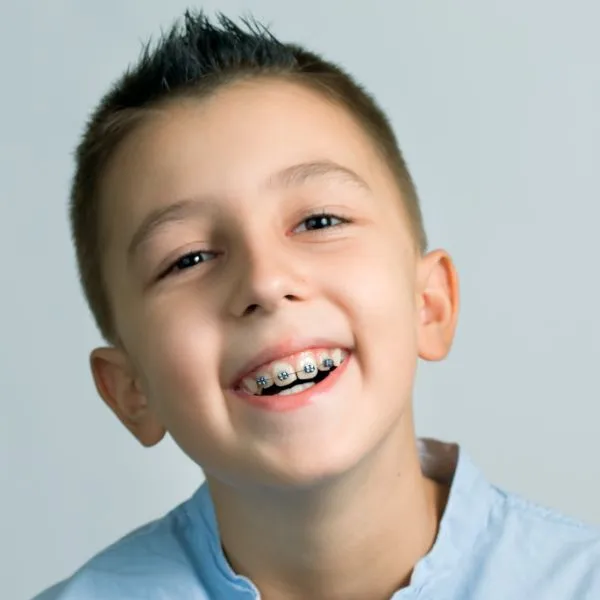
When it comes to orthodontic care, timing can make a big difference. Starting braces early, often referred to as interceptive orthodontics, is a strategy that many orthodontists recommend. It can help guide the growth of a child’s teeth and jaw, preventing larger problems down the road. In Mississippi, where access to timely dental care can vary, understanding the benefits of early braces can help families make informed decisions about their child’s oral health.
Why Early Orthodontic Treatment Matters
The teeth and jaws of children are still developing. This means they are more adaptable and can be guided into better positions more easily than in adulthood. When orthodontic treatment begins during these early years, it can correct issues before they become severe. This proactive approach often reduces the length and complexity of later treatments.
Orthodontic issues that are caught early tend to be easier and less costly to treat. Common problems like overcrowded teeth, bite misalignments, and jaw growth discrepancies can be identified during routine dental visits. Early braces help to steer these developments in the right direction before permanent teeth fully emerge.
What Age Is Early Braces Treatment?
Most orthodontists recommend an initial evaluation by age 7. This doesn’t mean every child needs braces at this age, but it allows the orthodontist to assess the child’s dental development. If early signs of issues appear, treatment can begin before all permanent teeth have come in.
Children’s mouths grow rapidly during this time, and early treatment can use appliances and braces to create space, align jaws, and correct bite problems. This stage of treatment is often shorter and less invasive than waiting until adolescence when more complex corrections might be required.
Common Problems Early Braces Can Address
- Crowding
If baby teeth are lost too early or late, permanent teeth may not have enough room to grow in properly. Early braces can help expand the jaw to make space, preventing crowded teeth that are hard to clean and prone to decay. - Crossbites and Open Bites
Misaligned bites can cause uneven wear on teeth and jaw pain. Early intervention can help reposition the jaws so teeth meet correctly, reducing future complications. - Protruding Front Teeth
Teeth that stick out are more likely to get chipped or injured. Early braces can help bring these teeth back into a safer alignment. - Jaw Growth Issues
Sometimes the upper or lower jaw grows faster than the other, leading to bite problems. Early orthodontic devices can help guide jaw growth to a more balanced position.
How Early Treatment Makes Later Care Easier
Starting braces early often simplifies or eliminates the need for more invasive procedures later, like tooth extractions or jaw surgery. Early treatment can correct problems while the jaw is still growing, reducing the severity of malocclusion (bad bite) and making later braces work more efficiently.
Children who begin treatment early may need less time in braces during their teenage years. In some cases, early intervention corrects issues completely, and no further treatment is necessary. This approach not only saves time but can also reduce the overall cost of orthodontic care.
The Emotional and Social Benefits for Kids
Orthodontic problems can affect a child’s confidence and social interactions. Teeth that look out of place or a noticeable bite problem might lead to teasing or self-consciousness. Early braces can improve appearance and oral function, helping kids feel more comfortable smiling and speaking.
Addressing orthodontic issues early also teaches children about the importance of dental care. It sets the stage for good habits that last a lifetime.
What to Expect During Early Braces Treatment
Early treatment usually involves a variety of appliances, not just traditional braces. These may include expanders to widen the jaw, partial braces, or removable devices to guide tooth movement. The orthodontist will create a treatment plan tailored to the child’s specific needs.
Regular checkups are important to monitor progress. Treatment might last from several months to a year or more, depending on the severity of the issue.
After early treatment, many children will still need a second phase of braces once all permanent teeth come in. However, this later phase is often shorter and simpler thanks to the groundwork laid by early intervention.
When Early Braces Might Not Be Necessary
Not every child needs early orthodontic treatment. Some develop normal bite and teeth alignment without intervention. The key is early evaluation to identify any warning signs. Your orthodontist can help determine if waiting until the usual adolescent phase for braces is best or if early treatment could provide benefits.
Finding the Right Orthodontist in Mississippi
Access to quality orthodontic care is vital. When searching for an orthodontist in Mississippi, look for someone who offers early evaluations and personalized treatment plans. They should explain clearly the reasons for recommending early braces and the expected outcomes.
Orthodontists with experience in interceptive treatment understand the unique growth patterns of children and can provide gentle care tailored to younger patients.
Conclusion
Starting braces early is about more than straight teeth. It’s a preventative step that can reduce pain, prevent serious dental problems, and improve long-term oral health. For children in Mississippi, early orthodontic care offers a chance to avoid more complicated issues later in life.
Parents should consider scheduling an orthodontic evaluation by age 7 to explore whether early braces are the right choice. With timely care, kids can enjoy healthier smiles and greater confidence through every stage of their growth.
If you want to learn more about early braces and how they can help your child, contact your local Mississippi orthodontist today. Taking action early could make a big difference in your child’s dental future.