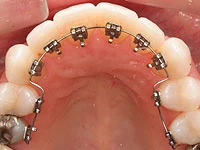
When people think about braces, they usually imagine metal brackets and wires on the front of the teeth. Lingual braces are different. They attach to the back of your teeth, making them nearly invisible from the outside. This option allows patients to straighten their teeth without changing their outward appearance, which is especially appealing for adults and professionals.
What Are Lingual Braces
Lingual braces work similarly to traditional braces but are placed on the tongue side, or lingual side, of the teeth. Each bracket is custom-made to fit the contours of the back of your teeth. This customization is essential because the back surfaces of teeth vary more than the front surfaces.
The process starts with a detailed scan or mold of your teeth. This allows your orthodontist to design brackets and wires that precisely match your mouth. Once in place, the wire applies gentle, consistent pressure to the teeth. Over time, this pressure moves the teeth into the desired positions.
How They Are Placed
The brackets are bonded to the back of your teeth using a strong dental adhesive. Once the brackets are in place, the wire is threaded through them, just like traditional braces. The mechanics are slightly more complex because the brackets are behind the teeth, but the principle is the same: gentle, continuous pressure moves the teeth.
The Benefits of Lingual Braces
One of the main advantages is appearance. Since lingual braces are behind the teeth, they are nearly invisible when you smile or talk. This makes them an excellent choice for adults who want orthodontic treatment without noticeable metal braces. Athletes, performers, and anyone concerned with aesthetics often choose this option.
Another benefit is versatility. Lingual braces can treat crooked teeth, gaps, bite misalignments, and overcrowding. Advanced techniques allow precise control over tooth movement, making them a strong choice for many patients.
Adjusting to Lingual Braces
Adjusting to lingual braces can take time. The tongue frequently touches the brackets, which may cause initial discomfort or irritation. Some patients notice changes in their speech at first. These effects are usually temporary, and your tongue adapts as you get used to the braces. Orthodontists may provide wax or other tools to help reduce discomfort during the adjustment period.
Eating can also require modifications. Sticky or hard foods can damage the brackets or wires. Maintaining oral hygiene is particularly important because food particles can get trapped behind the teeth. Using specialized brushes and flossing techniques ensures teeth and gums stay healthy throughout the treatment.
Treatment Time and Progress
The treatment time with lingual braces is often similar to that of traditional braces. Complex cases may require more careful adjustments due to the location of the brackets. Orthodontists monitor progress regularly to make sure teeth are moving as planned. Adjustments involve tightening or changing wires, maintaining consistent pressure on the teeth.
Technology Behind Lingual Braces
Modern technology has made lingual braces more precise and comfortable. Digital imaging, 3D modeling, and computer-assisted design allow for highly accurate treatment planning. Brackets are custom-designed for each tooth, which improves comfort and efficiency. These advances have made lingual braces more accessible to patients who previously may have been hesitant due to complexity or cost.
Considerations and Limitations
While lingual braces offer many benefits, they are not the best solution for everyone. Some patients may find the initial adjustment period challenging. In cases of severe bite problems, other orthodontic options may be more effective. Your orthodontist can evaluate your individual needs and discuss the best approach for your smile.
The cost of lingual braces is generally higher than traditional braces. The customization, placement, and adjustment process require more time and specialized skills. Many orthodontists provide payment plans or financing options to make treatment manageable.
Maintaining Your Smile
After the braces are removed, a retainer is usually needed to maintain the new position of your teeth. Retainers prevent relapse, which is when teeth slowly shift back toward their original positions. Your orthodontist will recommend a retainer plan that fits your lifestyle and ensures long-term results.
Conclusion
Patients who choose lingual braces often appreciate the balance between appearance and function. They can continue with professional and social activities without worrying about visible metal braces. Over time, the braces achieve the same results as traditional braces, providing a straight, healthy smile. Lingual braces are placed behind the teeth, making them nearly invisible, yet they remain effective for a wide range of orthodontic issues. Each bracket is custom-made to fit the unique shape of your teeth, and with careful adjustment and proper oral hygiene, patients can achieve results comparable to traditional braces. Consulting with an orthodontist in Jackson is the best way to determine if lingual braces are the right choice for your smile and lifestyle.