Orthodontics has seen dramatic changes over the last decade. What once involved bulky braces and long, uncomfortable appointments has shifted toward faster, more precise, and patient-friendly treatment. These changes have transformed not only the experience of orthodontic care but also the outcomes patients can expect.
Improvements in Braces
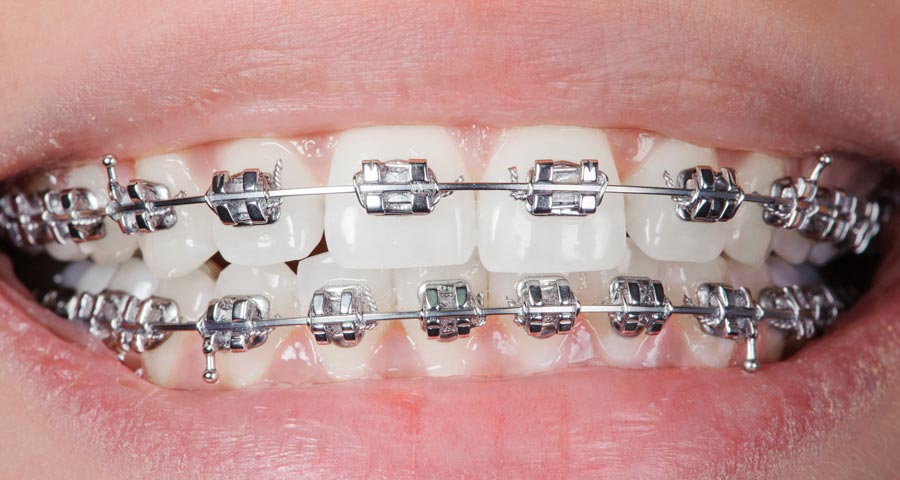
One of the most visible changes has been in the design and materials of braces. Traditional metal braces are still used, but today’s brackets are smaller, more comfortable, and more effective. Advances in materials allow wires to apply gentler, more consistent pressure to teeth. This reduces discomfort and shortens treatment times.
Ceramic braces, which blend with the natural color of teeth, have become more durable and stain-resistant, giving patients a more discreet option. These improvements have made braces less noticeable and more comfortable than ever before.
The Rise of Clear Aligners
Clear aligner therapy has grown in popularity over the last ten years. Invisalign and similar systems have benefited from significant technological improvements.
Today, software can simulate tooth movement in three dimensions, helping orthodontists plan treatment with precision. Aligners can now address complex bite issues that previously required traditional braces. Digital scans and 3D printing have made the process faster and more accurate, eliminating the need for messy dental impressions.
Digital Imaging and Scanning
Digital imaging has revolutionized diagnosis and treatment planning. High-resolution intraoral scanners allow orthodontists to capture detailed images of a patient’s teeth and bite in minutes. These scans are more comfortable than traditional molds and provide precise data for treatment planning.
Cone-beam computed tomography (CBCT) has also become more common. This 3D imaging technology allows orthodontists to evaluate teeth, roots, and jaw structures with precision. It can reveal issues that traditional X-rays might miss, leading to more accurate and effective treatment plans.
Advanced Treatment Planning Software
Software advancements have played a major role in the evolution of orthodontics. Treatment planning programs allow orthodontists to predict how teeth will move over time and identify potential complications before treatment begins.
Some programs even allow patients to see a virtual preview of their post-treatment smile. This improves engagement and helps patients understand the steps involved in their care.
Innovations in Orthodontic Appliances
Appliances used for bite correction have also evolved. Mini-implants, or temporary anchorage devices (TADs), provide additional support for tooth movement in cases where traditional braces alone may not suffice. These small devices are minimally invasive and can reduce the need for more extensive procedures.
Other orthodontic devices, such as palatal expanders and retainers, have been redesigned for comfort and effectiveness, improving the overall patient experience.
Enhancing the Patient Experience
Technology has also improved the day-to-day experience for patients. Digital communication allows orthodontists to monitor progress remotely. Some practices now offer apps where patients can track aligner wear, report issues, and communicate with their orthodontist without frequent office visits.
These innovations reduce disruptions to daily life and increase adherence to treatment plans, making care more convenient and manageable.
Faster and More Predictable Treatment
Advances in wire technology, aligner design, and treatment planning have shortened treatment times for many patients. Faster results have changed patient expectations and made orthodontic care more accessible for adults with busy schedules.
In addition, interactive tools and digital models help patients understand their treatment options, improving compliance and engagement throughout the process.
Looking Ahead
Artificial intelligence is beginning to influence orthodontics, assisting in treatment planning and predicting outcomes. New materials, improved scanning methods, and more personalized treatment plans are making care faster, more accurate, and more comfortable.
Patients in Jackson now have access to treatments that are more convenient, less invasive, and more predictable than ever before. The evolution of orthodontic technology over the past decade represents a shift toward patient-centered care that prioritizes comfort, efficiency, and results.
The next decade will likely bring even more integration of technology. Continued improvements in imaging, digital modeling, and AI-assisted planning will further enhance treatment precision. Remote monitoring may reduce office visits while maintaining high-quality care.
Conclusion
The advancements in orthodontic technology over the last ten years have reshaped what patients can expect from their treatment. From digital scans and clear aligners to AI-assisted planning, these innovations have made orthodontic care faster, more comfortable, and more effective.
For anyone considering orthodontic treatment in Jackson, the tools and techniques available today provide more options than ever to achieve a healthy, confident smile.