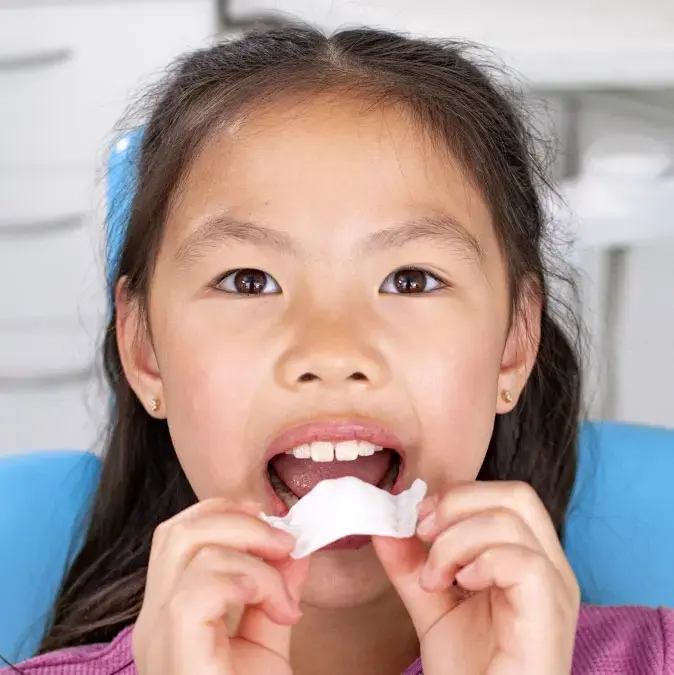
Braces are a big step for many kids and their parents. If your child is getting ready for their first set of braces, you probably have a lot of questions. You might be wondering when to start, what type is best, how to handle discomfort, and how to keep everything clean. These are all valid concerns. Orthodontic treatment can seem overwhelming at first, but with the right information, it becomes much more manageable.
When Braces Are First Recommended
The American Association of Orthodontists suggests children have their first orthodontic evaluation around age seven. At this age, permanent teeth are starting to come in. While braces usually aren’t placed this early, it’s a good time to catch problems as they develop. Some children need early intervention. Others are told to wait and start treatment when more adult teeth are in place.
Every child’s mouth is different. Some may need braces as early as age nine. Others might not need them until their teens. A qualified orthodontist can tell you what’s best based on your child’s specific needs.
Types of Braces Available for Kids
When it comes time for treatment, you’ll have options. Traditional metal braces are still the most common for children. They’re strong, effective, and now smaller and more comfortable than they used to be. Kids often enjoy choosing colored bands at each visit, which adds a personal touch.
Clear braces, made from ceramic materials, are another option. They blend in more with the teeth but are a bit more fragile and may stain if not cleaned well. Some older children and teens also qualify for clear aligners, such as Invisalign, depending on the complexity of their case. However, aligners require more responsibility since they can be removed, which may not be ideal for younger patients.
What Happens During the First Appointment
The first visit for braces is usually longer than the others. Your child’s teeth will be cleaned, and the brackets will be bonded to each tooth. Then, a wire is threaded through the brackets and secured with rubber bands. This initial process may take a couple of hours.
Your child might feel a bit of discomfort or tightness afterward. This is normal and should ease within a few days. Soft foods and over-the-counter pain relievers usually help manage this initial soreness.
Adjusting to Life With Braces
There’s a learning curve when adjusting to braces. Eating, brushing, and speaking may feel different at first. You’ll need to make changes to your child’s diet to avoid damaging the braces. Hard foods like nuts and popcorn, sticky items like gum, and crunchy snacks such as raw carrots or chips should be limited or avoided.
Oral hygiene becomes even more important with braces. Food can get stuck around the brackets and wires, which increases the risk of cavities and gum issues. Your orthodontist will show your child how to brush carefully around the hardware and may recommend special tools like interdental brushes or a water flosser to help.
Helping Your Child Stay on Track
Consistency is key during orthodontic treatment. Your child will need to attend regular adjustment appointments, usually every four to eight weeks. These visits help ensure teeth are moving as planned. If wires break or brackets come loose, you’ll need to schedule a repair visit right away.
As a parent, your support makes a big difference. Encourage your child to follow the rules, maintain good hygiene, and attend all scheduled appointments. Positive reinforcement can go a long way. Celebrate milestones along the way to keep your child motivated.
Handling Discomfort and Minor Issues
It’s normal for your child to feel some discomfort after adjustments. You can help by offering soft foods like pasta, yogurt, and smoothies. Cold compresses and saltwater rinses may also provide relief.
Orthodontic wax is useful for preventing irritation from brackets or wires. Just apply a small piece over any spot that’s rubbing against the inside of the mouth. If a wire pokes out or causes pain, don’t try to fix it on your own. Call your orthodontist for guidance.
How Long the Treatment Will Last
The length of time a child wears braces depends on the complexity of their case. Most children wear braces for one to three years. After the braces come off, they’ll need to wear a retainer to keep their teeth in place. Retainers are just as important as braces when it comes to long-term results.
If your child loses or damages their retainer, it’s important to replace it right away. Teeth can shift quickly, especially right after braces are removed.
The Long-Term Benefits of Braces
While the process may seem lengthy, the benefits are long-lasting. Straighter teeth are easier to clean, which reduces the risk of tooth decay and gum disease. A proper bite can also reduce strain on the jaw and help with speech or chewing issues. Beyond the physical benefits, braces can also improve your child’s confidence and self-image.
Many children who go through orthodontic treatment feel proud of their results. It’s an investment in their future that can pay off in both health and happiness.
Conclusion
Getting braces is a major step, and your child will need your help throughout the process. Be patient, stay involved, and don’t be afraid to ask your orthodontist questions. The more you understand about the process, the more confident you’ll feel guiding your child through it.
Keep the big picture in mind. A little discomfort today leads to a lifetime of healthier, straighter teeth. With the right approach, your child’s braces experience can be smooth, successful, and even rewarding.