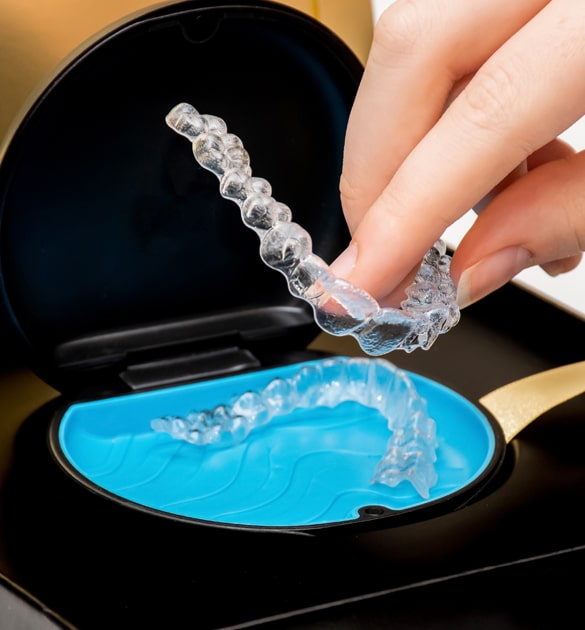
Invisalign has changed how people think about orthodontic care. Clear aligners offer a flexible way to straighten teeth without brackets or wires. While the system is built on the same core technology for everyone, the way Invisalign is planned and managed can look very different for adults compared to teens.
Age affects more than just lifestyle. It shapes how teeth move, how treatment is scheduled, and how progress is monitored. For families in the Jackson area, understanding these differences helps set realistic expectations and leads to better results.
Why Age Matters in Orthodontic Care
Teeth move because bone around them changes. This process happens at any age, but it does not happen at the same speed or in the same way for everyone.
Teens are still growing. Their jaws may not be fully developed, and their teeth can shift more easily. Adults have finished growing, and their bone structure is more stable. That does not mean treatment is harder for adults, but it does mean the plan has to be more precise.
Lifestyle also plays a role. Teens have school schedules, sports, and changing routines. Adults juggle work, family, and social commitments. Invisalign plans are built around these realities.
Invisalign Basics for All Patients
Before looking at the differences, it helps to understand what stays the same.
Invisalign uses a series of clear plastic aligners. Each set is worn for about one to two weeks, depending on the plan. Every new aligner makes small changes to tooth position. Over time, those changes add up to a straighter smile.
Patients wear aligners about 20 to 22 hours a day. They remove them to eat, drink anything besides water, brush, and floss. Regular checkups make sure everything is moving as expected.
Digital scans are used instead of messy impressions. Software maps out the entire treatment from start to finish. Patients can often see a preview of how their smile will change.
That core process is the same for teens and adults. The differences show up in how the details are handled.
How Invisalign Is Planned for Teens
Teen treatment often focuses on growth as well as alignment. Since jaws are still developing, orthodontists in Jackson can guide teeth into better positions as the mouth changes naturally.
One key feature for teens is the use of compliance indicators. These are small blue dots on the aligners that fade as they are worn. They help parents and orthodontists see if the aligners are being used enough each day.
Teen plans also account for teeth that may not have fully come in yet. Some teens still have baby teeth or permanent teeth that are erupting. The treatment plan has to leave room for those changes.
Appointments may be scheduled a bit more often. Teens can forget aligners, lose them, or stop wearing them during busy weeks. Regular check-ins help catch small problems before they slow progress.
School and sports matter too. For example, a teen who plays football or basketball may need advice on when to remove aligners or how to store them safely during games.
How Invisalign Is Planned for Adults
Adult treatment usually starts with a fully developed mouth. All permanent teeth are present, and growth is no longer a factor. That allows for very precise planning from the beginning.
Adults often come in with more complex dental histories. They may have crowns, bridges, missing teeth, or past orthodontic work. These details affect how teeth can move and where aligners apply pressure.
Gum health is also a bigger focus. Adults are more likely to have issues like gum recession or bone loss. Before Invisalign begins, those problems must be managed to avoid complications.
Schedules are different, too. Many adults prefer fewer in-office visits because of work and family demands. Invisalign plans for adults in Jackson often include longer stretches between checkups, as long as progress is steady.
Adults also tend to be more consistent with wear time. They usually understand the commitment and follow instructions closely, which can make treatment smoother.
Differences in Treatment Goals
Teens and adults often want different things from Invisalign. Teen goals usually focus on long-term health. Straight teeth are easier to clean, which lowers the risk of cavities and gum problems later. Parents also care about bite alignment, since that affects chewing and jaw comfort for life.
Adults often come in with a specific concern. Some want to fix crowding that has gotten worse over time. Others want to close gaps or adjust teeth that shifted after past braces. Appearance is often a strong motivator, especially for people who interact with clients or the public.
Because of these different goals, the treatment plan may be designed differently. A teen plan might include more phases to guide overall development. An adult plan might focus on targeted changes in a shorter time.
Wearing Aligners in Daily Life
Daily routines shape how Invisalign fits into life. Teens have to manage aligners at school. That means remembering to take them out for lunch, keeping them safe, and putting them back in right after eating. Some teens struggle with this at first. It takes practice to make it a habit.
Parents often help by reminding teens to wear aligners and checking the compliance indicators. Support at home makes a big difference.
Adults usually manage aligners more independently. They may take them out during business lunches, meetings, or social events. Many adults appreciate that aligners are nearly invisible, which helps them feel confident at work.
Both groups have to avoid snacking too often. Every time aligners come out, teeth should be cleaned before they go back in. This rule is the same for everyone, but teens often need more reminders.
Handling Lost or Broken Aligners
Lost aligners happen more often with teens. Busy schedules, sports bags, and cafeteria trays are common places where aligners disappear. That is why orthodontists often give clear instructions on what to do if one goes missing.
In many cases, teens can move to the next set of aligners if the orthodontist approves. Sometimes they need to go back to the previous set until a replacement arrives. Adults lose aligners, too, but it happens less often. They usually keep cases with them and are more careful during meals.
No matter the age, quick communication with the orthodontic office in Jackson is important when an aligner is lost or damaged.
Treatment Length for Teens and Adults
There is no single timeline that fits everyone. Still, age can influence how long Invisalign takes.
Teens may finish faster in some cases because their teeth move more easily. Growth can work in their favor. On the other hand, if they do not wear aligners as directed, treatment can take longer.
Adults may need more time for certain movements because their bone structure is more stable. However, their strong compliance often balances that out.
Typical treatment can range from several months to over a year for both groups. The exact length depends on how much movement is needed and how closely instructions are followed.
Follow-Up and Adjustments
Checkups are a big part of successful Invisalign treatment.
Teens often come in more frequently, especially early on. These visits help make sure aligners fit well and that teeth are moving correctly. They also give orthodontists a chance to talk directly to teens about wear habits.
Adults may have fewer visits, spaced farther apart. Many adult patients prefer this, but it only works if they follow the plan carefully at home.
Sometimes, both teens and adults need refinements. That means extra aligners are made to fine-tune the results. This is normal and not a sign of failure. It is part of making sure the final smile matches the plan.
Retainers After Invisalign
When Invisalign treatment ends, the work is not over. Teeth can shift back if they are not held in place.
Both teens and adults need retainers. At first, they may wear them most of the day. Later, many switch to wearing them only at night.
For teens, this step is especially important because their mouths are still changing. Skipping retainers can undo months of work.
Adults also need to stay consistent. Teeth can move at any age, especially if there were gaps or crowding before.
Orthodontists in Jackson will explain exactly how and when to wear retainers, based on the individual case.
Choosing Invisalign for Your Family
Deciding between Invisalign and other options depends on many factors. Age is one of them, but not the only one.
For teens, Invisalign works best when they are responsible enough to wear aligners as directed. Parents play a big role in supporting that habit.
For adults, Invisalign is often chosen because it fits well with work and social life. Clear aligners allow people to straighten teeth without drawing attention.
A consultation is the best way to know what will work. During a visit, the orthodontic team will look at teeth, bite, and overall oral health. They will talk about goals and explain what treatment might look like.
Conclusion
Orthodontic care is not one-size-fits-all. Invisalign is flexible, and that flexibility allows orthodontists to tailor treatment for teens and adults in different ways. Teens benefit from plans that guide growth, monitor habits, and adapt to changing mouths. Adults benefit from precise planning, attention to past dental work, and schedules that respect busy lives.
Both groups share the same goal. They want healthier, straighter smiles that last. With the right plan and good habits, Invisalign can deliver that at any age. Understanding how treatment differs for teens and adults helps patients and parents feel more confident. It sets clear expectations and makes the journey smoother from the first scan to the final retainer.
Invisalign is not just about clear aligners. It is about matching the treatment to the person wearing them. In Jackson, that means looking at age, lifestyle, and goals, then building a plan that truly fits.