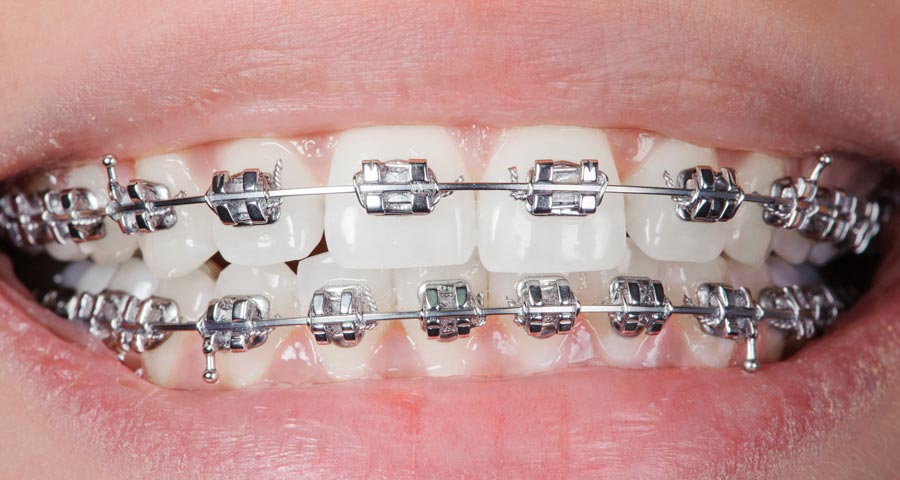
Many people think of orthodontic treatment as purely cosmetic. Straightening teeth improves the appearance of a smile, but the benefits go beyond aesthetics. Properly aligned teeth can significantly support oral health, particularly the health of your gums. Understanding how orthodontics impacts gum health can help patients see the connection between alignment and long-term oral wellness.
How Misaligned Teeth Affect Gum Health
Gum disease, also known as periodontal disease, develops when bacteria in plaque irritate and inflame the gums. Over time, untreated gum disease can damage the tissues supporting the teeth, leading to loose teeth or even tooth loss.
One of the key factors that contribute to gum problems is how teeth are positioned. Crooked, crowded, or widely spaced teeth create areas that are difficult to clean. These areas become hotspots for plaque buildup, which increases the risk of inflammation and infection.
How Orthodontic Treatment Helps
Orthodontic treatment works to correct misaligned teeth and improve the overall arrangement of the bite. When teeth are properly aligned, they are easier to clean. Brushing and flossing become more effective because there are fewer tight spots or overlapping surfaces where food particles and bacteria can hide. Over time, improved cleaning reduces plaque accumulation, which directly lowers the risk of gum disease.
Crowded teeth often cause the gums to appear swollen or red due to constant irritation. They can also create pockets between the teeth that harbor bacteria. By straightening these teeth, orthodontic treatment reduces these pockets and eases tension on the gum tissue. This allows the gums to heal and become healthier, while also preventing future problems.
The Role of Bite Alignment
Another factor is the bite. Misaligned bites can create uneven pressure on the teeth during chewing. This extra stress can impact the supporting structures of the teeth, including the gums and bone. Orthodontics helps distribute bite forces evenly, reducing strain on the gums. Less strain means fewer chances of inflammation or recession caused by trauma from an uneven bite.
Maintaining Gum Health During Orthodontic Care
Braces, aligners, and other orthodontic appliances also allow for adjustments that consider gum health. Orthodontists monitor the condition of the gums throughout treatment and make recommendations for oral care routines that support healing. Patients may receive guidance on special brushing techniques, interdental brushes, or antimicrobial rinses. These practices help maintain gum health while teeth are being moved into their proper positions.
For patients who already show signs of gum disease, orthodontics can be part of a comprehensive treatment plan. While severe periodontal disease may need professional treatment before orthodontic care begins, aligning teeth can help maintain the improvements achieved by gum therapy. Correct alignment prevents plaque buildup and reduces the risk of recurring gum problems.
Early Orthodontic Care for Children and Teens
Children and teens can also benefit from early orthodontic intervention. Aligning teeth at a younger age may prevent gum issues from developing later. In addition, proper spacing reduces crowding that can trap food and bacteria, setting the foundation for healthy gums into adulthood.
Daily Habits and Long-Term Maintenance
It is important to note that orthodontic treatment alone does not guarantee perfect gum health. Daily oral hygiene remains essential. Brushing twice a day, flossing daily, and visiting the dentist regularly are all critical components of gum care. Orthodontic treatment enhances these efforts by making oral hygiene more effective, but it works best in combination with consistent home care.
Straight teeth also support long-term dental maintenance. People with straight teeth are more likely to maintain regular dental visits and cleanings because their teeth are easier to examine and clean professionally. In addition, the reduced risk of gum disease contributes to a healthier mouth overall, which can prevent costly dental problems in the future.
Conclusion
Patients in Jackson who are considering orthodontic care may not realize that the benefits extend beyond a straight smile. Orthodontics can help reduce the risk of gum disease, improve oral hygiene effectiveness, and support the overall health of the teeth and gums.
Straight teeth make cleaning easier, reduce the buildup of harmful bacteria, and allow gums to remain healthy. Proper bite alignment reduces stress on the gums and supporting tissues. For both children and adults, orthodontic care can prevent future problems and enhance the results of existing dental treatments. Maintaining healthy gums requires a combination of professional care, daily hygiene, and attention to tooth alignment. Orthodontic treatment provides a powerful tool in this effort, giving patients in Jackson a healthier smile and a stronger foundation for lifelong oral wellness.