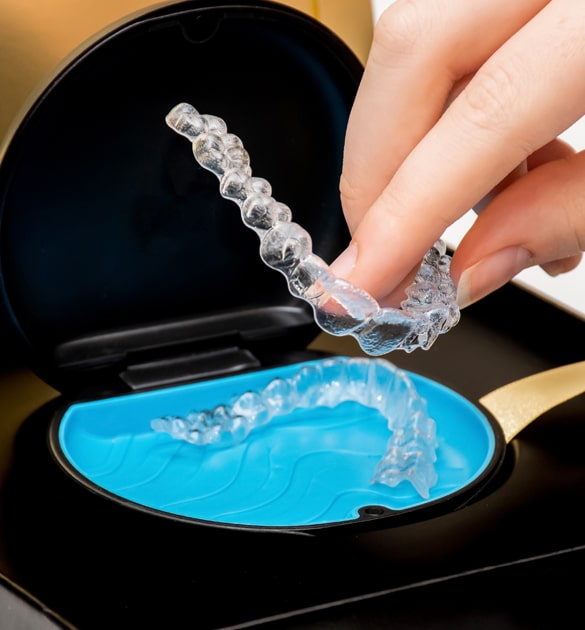
After completing orthodontic treatment, wearing a retainer is one of the most important steps to maintain your new smile. Retainers help keep your teeth in their corrected positions, preventing them from shifting back. However, retainers are small, removable appliances that are easy to misplace or damage. Understanding what happens if you lose or damage your retainer—and how to address it promptly, can save you time, money, and frustration.
Why Wearing Your Retainer Matters
Teeth naturally move over time. Even after braces or Invisalign, the bone and gum tissue around your teeth need time to adjust to their new positions. A retainer provides the necessary support during this phase.
Both fixed and removable retainers serve this purpose:
- Fixed retainers are bonded to the back of teeth.
- Removable retainers, like Hawley or clear plastic aligners, are worn according to your orthodontist’s schedule.
No matter the type, losing or damaging your retainer can compromise the stability of your results.
What Happens If You Lose Your Retainer
Losing a retainer can have immediate consequences. Teeth can begin to shift within days or weeks, depending on how long it has been since your braces came off. Minor shifting may be correctable with a replacement retainer, but significant movement may require more extensive treatment.
If you lose a retainer:
- Contact your orthodontist immediately.
- Avoid waiting, as delaying a replacement increases the risk of needing braces or Invisalign again.
What Happens If Your Retainer Is Damaged
Retainers can be damaged in several ways. Clear plastic retainers can crack or warp if exposed to heat or pressure. Hawley retainers with metal wires can bend or break.
Even minor damage can reduce a retainer’s effectiveness. Wearing a compromised retainer can create uneven pressure, potentially shifting teeth in the wrong direction.
If your retainer is damaged:
- Do not wear it.
- Schedule a repair or replacement with your orthodontist to keep your teeth in place.
Signs Your Retainer Is Not Working Properly
Keep an eye on both your teeth and your retainer. Common signs your retainer may not be functioning properly include:
- Feeling new tightness or pressure.
- Noticing teeth starting to shift.
- Cracks or warping in the retainer material.
- Loose or bent wires on a Hawley retainer.
If you notice any of these issues, contact your orthodontist immediately. Early action can prevent more extensive treatment later.
How to Protect Your Retainer
Preventing loss or damage is easier than fixing problems afterward. Some practical tips include:
- Always store your retainer in its case when not in use.
- Avoid exposing clear plastic retainers to heat, such as hot water, sunlight, or dishwashers.
- Clean your retainer daily with a soft toothbrush and mild soap or a recommended cleaner.
- Avoid chewing or biting your retainer.
- Keep your retainer out of reach of pets, who may chew on it.
A consistent routine for retainer care can significantly reduce the risk of losing or damaging it.
Getting a Replacement Retainer
If your retainer is lost or damaged beyond repair, your orthodontist can create a replacement. This typically involves taking a new mold or digital scan of your teeth.
For patients prone to losing retainers, some orthodontists recommend ordering a backup retainer.
While replacement costs vary depending on the type of retainer, acting quickly is always more cost-effective than letting teeth shift and needing additional orthodontic treatment.
When Teeth Have Already Shifted
If you notice teeth have moved since losing or damaging your retainer, your orthodontist will evaluate the situation.
- Minor shifts may be corrected with a new retainer.
- More severe shifts could require additional orthodontic treatment to restore proper alignment.
This is why timely action is so important. The longer teeth remain unrestrained, the more difficult it can be to restore your smile.
Consistency Is Key
The best way to maintain your orthodontic results is consistent retainer use. Even the best retainer cannot prevent shifting if it is not worn as directed.
Missing days, inconsistent wear, or ignoring a damaged retainer can quickly undo your progress. Following your orthodontist’s instructions and replacing a lost or damaged retainer promptly is essential.
Conclusion
Retainers are small but powerful tools in preserving your orthodontic results. Losing or damaging a retainer is common, but the consequences can be serious if not addressed promptly. Immediate action, proper care, and consistent wear are the best ways to protect your investment in your smile.
In Jackson, patients who act quickly after losing or damaging their retainer often avoid costly corrections and maintain the straight teeth they worked hard to achieve. Contact your orthodontist as soon as a retainer issue arises to keep your smile healthy, aligned, and confident for years to come.