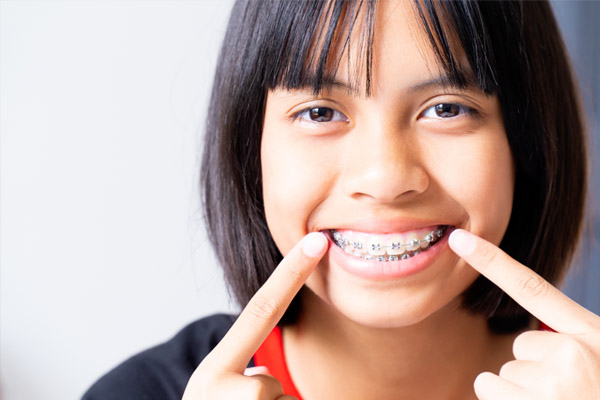
Many people wonder if there is a perfect age to start orthodontic treatment. Parents often ask whether their children should begin braces early, while adults may question if it’s too late to improve their smile. The truth is that orthodontic care can be effective at almost any age. What matters most is timing, individualized planning, and the patient’s specific dental needs. Understanding when treatment is most beneficial can help patients make informed decisions.
Early Evaluation Can Make a Difference
Orthodontists recommend that children have their first evaluation around age seven. At this stage, children usually have a mix of baby teeth and permanent teeth. Early evaluations do not always lead to immediate treatment, but they allow the orthodontist to identify potential issues before they become more complicated. Problems like severe crowding, bite misalignment, or jaw growth issues can sometimes be addressed more easily at an early stage.
In some cases, early treatment, often called Phase One, may involve appliances designed to guide jaw growth, create space for incoming teeth, or correct harmful habits such as thumb sucking. These early interventions can prevent more invasive treatment later and make the process smoother when full braces or aligners are applied.
Treatment During the Teenage Years
Most orthodontic treatment occurs during adolescence, typically between ages 12 and 16. By this time, most permanent teeth have erupted, and jaw growth is still ongoing. This stage is often ideal because orthodontists can take advantage of natural growth patterns to correct bite issues and alignment more efficiently.
Teenagers are usually very good candidates for braces or clear aligners because their bones are still flexible enough to respond well to treatment. However, compliance can be a challenge, especially with removable aligners. Regular appointments and proper dental hygiene remain crucial to ensure effective results.
Adult Orthodontics Is More Common Than Ever
Many adults believe that braces are only for children or teens, but adult orthodontics has grown significantly in recent years. More adults are seeking treatment to correct long-standing alignment issues, improve bite function, or simply enhance their smile. Modern options like clear aligners, ceramic braces, and lingual braces make treatment discreet and manageable for professional and social settings.
Adults may face different challenges than younger patients. Jaw growth is complete, so certain bite corrections may take longer. Adults are also more likely to have dental restorations, gum disease, or tooth wear that require careful planning. Despite these factors, orthodontic treatment can still provide excellent results, improve oral health, and boost confidence at any age.
Factors That Influence Timing
The ideal age for orthodontic treatment is not one-size-fits-all. Several factors play a role in determining when treatment should start:
- Dental development – The stage of tooth eruption and jaw growth influences the type and timing of treatment.
- Type of problem – Some issues, like crowding or spacing, may be easier to correct earlier, while others, such as minor alignment adjustments, can wait until adolescence or adulthood.
- Patient readiness – Willingness to maintain oral hygiene and follow treatment instructions affects outcomes.
- Overall oral health – Active cavities, gum disease, or other dental conditions should be addressed before orthodontic work begins.
Orthodontists evaluate all these factors during a consultation to recommend a personalized treatment plan.
Benefits of Timely Treatment
Starting orthodontic treatment at the right time can improve both function and appearance. Correcting bite issues can reduce the risk of tooth wear, jaw pain, and difficulties with chewing or speaking. Straighter teeth are easier to clean, which can help prevent cavities and gum disease.
Beyond physical health, a well-aligned smile often enhances confidence and social comfort, which is important at any age.
Debunking the Myth of “Too Late”
Many adults avoid orthodontic care because they think they missed the window for treatment. The truth is, it is rarely too late to benefit from braces or aligners. While treatment may require more careful planning and patience in adulthood, successful outcomes are achievable. Clear aligners have made adult treatment more accessible and convenient, allowing patients to improve their smile without drawing attention to their orthodontic work.
Making the Decision
Choosing the right time to begin orthodontic treatment is best done with guidance from a qualified orthodontist. A professional evaluation can determine whether early intervention, adolescent treatment, or adult care is the best approach. During the consultation, the orthodontist will assess bite alignment, tooth spacing, jaw growth, and overall oral health. From there, a tailored treatment plan can be developed that addresses current concerns and anticipates future dental needs.
Conclusion
There is no single “perfect” age for orthodontic treatment. Children, teens, and adults can all benefit when treatment is carefully planned to match their dental development and personal goals. Early evaluation allows orthodontists to identify issues that may require intervention, while adolescent treatment takes advantage of natural growth patterns. Adults can achieve remarkable results with modern options and professional guidance.
The key is consulting an orthodontist to determine the best timing for your unique situation. With the right approach, a healthier, straighter smile is possible at almost any stage of life.