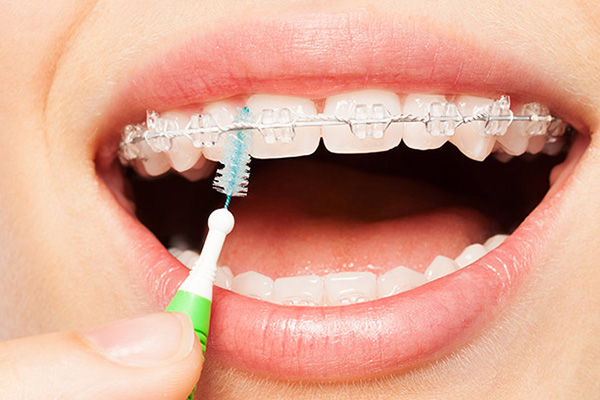
Maintaining oral hygiene is always important, but it becomes even more crucial when wearing braces or clear aligners. Braces create more nooks and crannies for food and plaque to collect, while aligners can trap bacteria against teeth if not cleaned properly. Using the right tools can make a significant difference in keeping your teeth and gums healthy throughout your orthodontic treatment.
Toothbrushes Designed for Braces and Aligners
Not all toothbrushes are created equal when it comes to braces. Traditional toothbrushes work, but specialized orthodontic toothbrushes can clean more effectively around brackets and wires. These brushes have V-shaped bristles that reach under and around the brackets without damaging them.
For aligner users, a soft-bristled brush is best. Since aligners fit snugly over your teeth, you need to remove food particles and plaque thoroughly before reinserting them. Brushing with a gentle, circular motion helps prevent irritation of the gums while keeping teeth clean.
Electric toothbrushes are another excellent option. They offer consistent pressure and motion, making it easier to remove plaque in hard-to-reach areas. Many models have settings specifically for sensitive teeth or orthodontic appliances, which can help reduce gum inflammation.
Flossing Tools That Make a Difference
Flossing can be tricky with braces, but it is essential for preventing gum disease and cavities. Traditional floss may be difficult to maneuver around wires, so many patients benefit from using floss threaders. These small, flexible devices allow you to guide floss under the braces easily.
Water flossers are another effective solution. They use a pressurized stream of water to remove plaque and food particles between teeth and along the gumline. For many patients, water flossers are easier to use consistently than traditional floss, making them a reliable tool for daily care.
Interdental Brushes for Hard-to-Reach Spots
Interdental brushes, also called proxy brushes, are small brushes designed to clean between teeth and around braces. They come in different sizes to fit various gaps and spaces. These brushes are particularly useful for patients with brackets and wires because they can reach areas that regular toothbrushes cannot.
Aligner users can also benefit from interdental brushes to clean between teeth before putting the aligners back in. This prevents trapping bacteria and reduces the risk of staining or decay under the aligner trays.
Cleaning Aligners Properly
Clear aligners require a different cleaning approach than natural teeth. Brushing aligners with a soft toothbrush and mild, non-abrasive toothpaste helps remove plaque and prevent odors. Some patients prefer to use cleaning crystals or specialized solutions designed for aligners.
It’s important to avoid hot water, which can warp the plastic, and to rinse aligners every time they are removed. Keeping aligners clean helps maintain their transparency and ensures that they remain comfortable and effective.
Mouthwash and Rinses for Added Protection
Using an antimicrobial or fluoride mouthwash can provide extra protection for patients with braces or aligners. Mouthwash helps reduce bacteria in areas that brushing and flossing might miss. Fluoride rinses also strengthen tooth enamel, reducing the risk of white spots or decay during orthodontic treatment.
For patients with aligners, mouthwash can be used after removing trays to rinse away any remaining food or bacteria. This can improve overall oral health and keep the aligners fresher for longer.
Tips for Maintaining Consistent Oral Hygiene
No matter which tools you use, consistency is key. Brushing at least twice a day and flossing once daily is essential for preventing cavities and gum disease. Patients with braces may need to spend extra time brushing after meals to ensure no food is trapped in the brackets.
For aligner users, it’s important to brush and floss before reinserting trays. Carrying a travel toothbrush or floss picks can help maintain hygiene when you’re away from home. Regular dental checkups and cleanings are also essential, as your orthodontist can identify and address any problems early.
Avoiding Common Mistakes
Many patients make simple mistakes that can compromise oral hygiene during orthodontic treatment. Using a hard-bristled toothbrush can damage braces or irritate gums. Skipping flossing or water flossing allows plaque to build up between teeth. Not cleaning aligners properly can lead to odor, staining, or bacterial growth.
Avoid sugary snacks and drinks when possible. Sugar feeds bacteria that cause cavities and decay. If you do consume sweets, rinsing your mouth with water afterward can help minimize the risk.
Conclusion
Proper oral hygiene is an essential part of orthodontic treatment, whether you have braces or wear clear aligners. Using the right tools—orthodontic toothbrushes, floss threaders, water flossers, interdental brushes, and specialized aligner cleaning methods—can make daily care simpler and more effective. Pairing these tools with good habits like regular brushing, flossing, and dental visits will keep your teeth healthy and ensure your orthodontic treatment produces the best results.
Investing a little extra time and attention in your oral hygiene now pays off with a cleaner, healthier, and more confident smile once your braces or aligners come off.