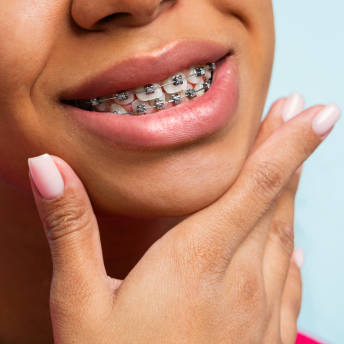
Many people wonder if orthodontic treatment does more than straighten teeth. Can braces or aligners really change the shape of your face? This is a common question for both teens and adults considering treatment. Understanding how orthodontics affects facial structure can help patients set realistic expectations.
How Orthodontics Works
Orthodontics primarily focuses on aligning teeth and improving bite function. This involves correcting crowding, spacing, overbites, underbites, and crossbites. When teeth are properly aligned, it can influence the way the jaw sits, how the lips rest, and even the contours of the cheeks. These changes are usually subtle but can impact overall facial harmony.
Age Matters for Facial Changes
Facial changes from orthodontics often depend on age. Younger patients, whose bones are still growing, may see more noticeable results. Interceptive treatment in children can guide jaw growth. Appliances like expanders or functional devices can adjust the upper or lower jaw position. This can indirectly affect the shape of the lower face, giving the jawline a more balanced appearance.
Adults have limited bone growth, so changes are primarily dental rather than skeletal. Aligning teeth in adults can still refine the appearance of the smile, support the lips better, and reduce tension in the jaw muscles. While the overall shape of the face may not drastically change, a more aligned bite can improve facial aesthetics in subtle but meaningful ways.
Bite Alignment and Facial Symmetry
One of the most significant facial impacts of orthodontics is related to the bite. Malocclusions, like overbites or underbites, can cause the lower face to appear elongated, recessed, or asymmetrical. Correcting these issues can create a more balanced facial profile. This does not mean your bone structure will completely change, but repositioning the teeth and jaw can enhance facial symmetry.
The Role of Soft Tissue
Soft tissue changes also play a role in facial appearance. Orthodontic treatment moves teeth within the bone, which can affect surrounding muscles, lips, and cheeks. Properly aligned teeth provide better support for the lips, making them sit more naturally and appear fuller. Cheek contours can also look slightly different. These changes are generally subtle, but they contribute to an overall sense of facial balance.
When Surgery is Needed
Jaw surgery, often combined with orthodontics, can create more noticeable changes in face shape. For patients with severe skeletal discrepancies, orthognathic surgery can reposition the upper or lower jaw. This type of treatment can significantly alter the profile, jawline, and overall facial balance. However, surgery is only recommended for specific cases and is not typical for routine orthodontic care.
Other Factors That Affect Facial Appearance
It’s important to remember that changes in the face are influenced by more than just orthodontics. Weight changes, natural aging, and lifestyle factors can all play a role. Some patients may attribute all changes to braces or aligners, when other factors are also at work. Understanding the limits of orthodontics is key to maintaining realistic expectations.
Setting Realistic Expectations
Patient goals play a crucial role in treatment planning. Orthodontists evaluate bite function, dental alignment, jaw position, and facial aesthetics together. By identifying areas that can be improved, the orthodontist can design a treatment plan that maximizes both function and appearance.
For some patients, the results may appear transformative. For others, the changes will be more subtle but still contribute to a healthier, more balanced smile. Even minor improvements in teeth alignment can enhance self-confidence and influence how others perceive your facial harmony.
Conclusion
Orthodontics can influence facial appearance, but the degree varies widely. Children and adolescents may see more significant changes due to jaw growth, while adults generally experience subtler improvements in facial support and symmetry. Severe cases may benefit from surgical intervention to create more dramatic facial changes.
Overall, the primary goal of orthodontics is dental health and function, with aesthetic benefits often being a positive secondary outcome. Consulting an orthodontist is the best way to understand how treatment could affect your smile and facial appearance. While orthodontics may not completely change your face shape, it can enhance harmony, support, and confidence.