Starting Invisalign treatment can be exciting and a little uncertain. Most patients know the goal is a straighter smile, but the steps in between are often unclear. Understanding each stage can reduce anxiety and help you stay on track.
For patients considering Invisalign in Jackson, knowing what to expect sets realistic expectations about time, effort, and results.
The Initial Orthodontic Consultation
The Invisalign journey begins with a thorough orthodontic evaluation. This visit goes beyond a quick look at your teeth. Your orthodontist will examine your bite, jaw alignment, tooth spacing, and overall oral health. Photos, X-rays, and digital scans are typically taken to create a complete picture of your smile.
During this consultation, your orthodontist will determine whether Invisalign is the right solution. While Invisalign can treat crowding, spacing, overbites, underbites, and crossbites, not every case is ideal for clear aligners alone.
You will also discuss your goals. Some patients want minor cosmetic adjustments, while others need more significant bite correction. These details influence the length of treatment and the number of aligners required.
Digital Scanning and Treatment Planning
If Invisalign is a good fit, the next step is digital scanning and treatment planning. Instead of traditional impressions, most orthodontists now use 3D digital scans. This process is faster, more comfortable, and highly accurate.
The digital scan creates a virtual model of your teeth. Using specialized software, your orthodontist maps out how each tooth will move over time. You may even get a preview of how your smile could look at different stages.
This planning ensures tooth movement is gradual and controlled, preventing delays or complications. Once the plan is finalized, your custom aligners are manufactured, typically within a few weeks.
Receiving Your First Set of Aligners
When your aligners arrive, you’ll return for a fitting appointment. The orthodontist will check that the aligners fit properly and attach any necessary attachments.
Attachments are small, tooth-colored shapes bonded to specific teeth to help the aligners apply precise pressure. Not every patient needs them, but many do.
At this appointment, you’ll also receive detailed instructions on wearing and caring for your aligners. Invisalign aligners should be worn 20–22 hours per day and removed only for eating, drinking anything other than water, and oral hygiene.
The First Few Weeks of Adjustment
The early phase of treatment comes with an adjustment period. Mild soreness or pressure is normal, especially during the first few days of a new aligner set. This is a sign the aligners are working.
Speech changes may also occur temporarily. A slight lisp is common at first but usually resolves as your tongue adapts. Wearing aligners consistently will speed up this adjustment.
Establishing a daily routine is key. Patients who consistently wear and clean their aligners tend to have smoother treatment experiences. Skipping hours or removing aligners frequently can slow progress.
Progressing Through Aligner Sets
Most Invisalign plans involve a series of aligners, each worn for one to two weeks. Each new set introduces subtle changes in tooth position. Over time, these small movements add up to a noticeable improvement.
Regular check-ins with your orthodontist ensure progress is on track. If an aligner isn’t fitting correctly, adjustments can be made. Some patients also require refinement aligners at the end to perfect the results.
Daily Life With Invisalign
Invisalign is designed to fit seamlessly into your life, but success depends on patient compliance.
Since aligners must be removed for meals, many patients snack less often, which can reduce the risk of cavities. Oral hygiene often improves because brushing and flossing after meals becomes routine.
Clear aligners are discreet, so social and professional interactions are generally comfortable. Most people won’t notice them unless you tell them.
Managing Challenges Along the Way
While Invisalign is convenient, challenges can arise. Lost aligners, travel disruptions, or inconsistent wear can affect progress. Orthodontists are prepared to help you navigate these issues.
Some patients experience minor irritation from attachments or aligner edges. This is usually temporary and can often be resolved with small adjustments. Communicating with your orthodontist promptly helps prevent setbacks.
The Refinement Phase
As treatment nears completion, your orthodontist will evaluate whether the initial goals have been met. Refinement aligners may be recommended to make subtle corrections and perfect alignment and bite.
Refinement is normal. Teeth rarely move exactly as predicted, and this stage ensures the final result meets both functional and aesthetic standards. Patience during this phase is important for long-term satisfaction.
Completing Treatment and Attachment Removal
Once active treatment ends, attachments are removed. This is quick and painless. Many patients notice how smooth their teeth feel afterward.
Before-and-after photos often reveal the full transformation. While the visible change may feel gradual day by day, the overall improvement is significant.
Life After Invisalign and Retainer Use
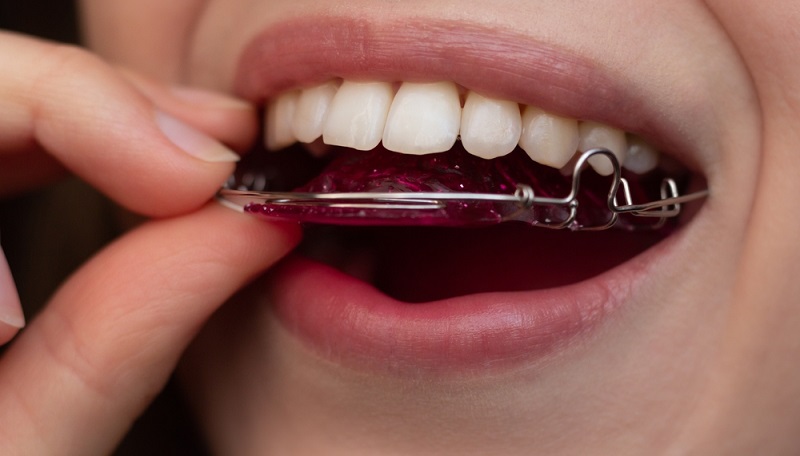
Teeth naturally shift over time. Retainers help maintain the results achieved through Invisalign. Your orthodontist will recommend a retainer schedule tailored to your case.
Some retainers are worn full-time initially, then transitioned to nighttime use. Consistency is key. Skipping retainer wear can allow teeth to drift back toward their original positions.
Setting Realistic Expectations
Invisalign offers flexibility and discretion but requires commitment. Treatment timelines vary depending on complexity and patient compliance. Some patients finish in under a year, while others need longer.
Understanding the process from start to finish helps patients stay motivated. Invisalign is a structured orthodontic treatment designed to deliver predictable, lasting results.
Conclusion
For patients in Jackson, knowing what to expect at every stage of Invisalign treatment makes the journey easier. From the first consultation to the final retainer, each step serves a purpose.
Invisalign is not just about straightening teeth. It improves function, confidence, and long-term oral health. With guidance from an orthodontist and a clear understanding of the process, patients can move through their Invisalign journey with confidence.