Choosing orthodontic treatment is not only about straightening teeth. For many patients in Jackson, appearance during treatment, comfort, and long-term results all matter. Braces have evolved significantly, and today there are options that blend effectiveness with a more discreet look. Two popular choices are clear bracket braces and ceramic braces. While they sound similar, there are key differences to understand before starting treatment.
Understanding Clear Bracket Braces
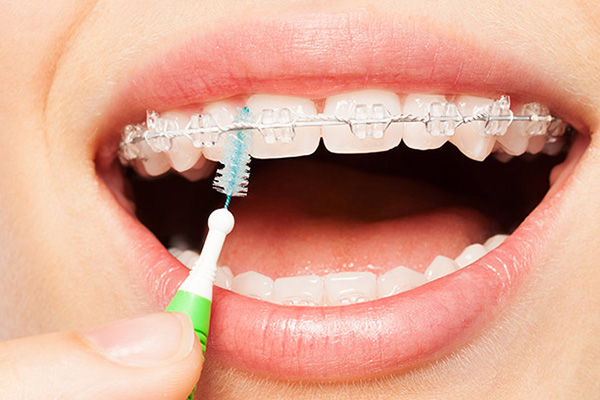
Clear bracket braces are a type of fixed orthodontic treatment that use transparent or tooth-colored brackets attached to the front of the teeth. They work in the same way as traditional metal braces, with a wire running through the brackets to gently move teeth into proper alignment.
What sets clear bracket braces apart is the material. Instead of stainless steel, these brackets are made from clear composite materials or sapphire-like substances, allowing them to blend naturally with the teeth.
Many teens and adults choose clear bracket braces for a discreet appearance while still addressing crowding, spacing issues, and bite problems.
What Are Ceramic Braces
Ceramic braces are another fixed system designed to be less noticeable. The brackets are made from ceramic materials that are typically white or off-white, matching the natural shade of teeth.
Like clear bracket braces, ceramic braces use wires and elastics to guide tooth movement. While less visible than metal braces, they can stand out slightly depending on the bracket shade and natural tooth color. Ceramic braces have been used for decades and offer a balance between aesthetics and treatment effectiveness.
Visual Differences During Treatment
Appearance is a major factor for many patients. Clear bracket braces are highly transparent, making them harder to notice from a distance. They are particularly discreet in photos or low-light settings.
Ceramic braces, while still subtle, may show more than clear brackets. Over time, ceramic brackets can stain if patients consume coffee, tea, or red wine. Both systems often use metal wires, which can be visible, though tooth-colored wires and clear elastics are sometimes used to reduce visibility.
Comfort and Feel in the Mouth
Both systems require an adjustment period. Patients may feel soreness, pressure, or irritation in the cheeks and lips, especially after adjustments.
Clear bracket braces often have smoother edges, reducing friction against soft tissues. Ceramic braces may feel slightly bulkier, depending on the design. Using orthodontic wax and maintaining good oral hygiene can help manage discomfort.
Durability and Strength
Clear bracket braces are strong but slightly more fragile than metal brackets. Ceramic braces are also more brittle.
Both systems require care when eating. Hard, sticky, or crunchy foods can damage brackets, potentially extending treatment time. Patients with active lifestyles should discuss these factors with their orthodontist.
Effectiveness for Different Orthodontic Needs
Both clear bracket braces and ceramic braces can address crooked teeth, gaps, overbites, underbites, and crossbites.
For complex cases, orthodontists may prefer one system over another depending on the force required and frequency of adjustments. A professional evaluation ensures the best approach for each patient.
Maintenance and Oral Hygiene
Good oral hygiene is essential. Food can get trapped around brackets and wires, increasing the risk of plaque buildup.
Clear brackets may show buildup more easily, while ceramic brackets can stain over time. Tools like soft-bristled toothbrushes, floss threaders, and water flossers can help maintain oral health. Regular dental and orthodontic visits are also crucial.
Treatment Time Expectations
Treatment length varies based on age, severity of misalignment, and patient compliance. Most patients complete treatment in 18 to 24 months.
Missed appointments or broken brackets can extend the timeline. Following instructions carefully helps keep treatment on track, regardless of the bracket type.
Cost Differences
Clear bracket braces and ceramic braces are typically more expensive than metal braces. Ceramic braces may sometimes be slightly more affordable, though pricing varies by practice and treatment complexity.
Insurance coverage may differ, so patients should review benefits and payment options. Many orthodontists in Jackson offer flexible financing plans.
Lifestyle and Daily Habits
Lifestyle factors can influence the choice. Patients who consume staining beverages may benefit from stain-resistant clear brackets. Those seeking a slightly more budget-friendly option may lean toward ceramic braces.
Both systems may temporarily affect speech, but most patients adapt quickly. Sports participation may require a mouthguard, regardless of the brace type.
How an Orthodontist Guides the Decision
An orthodontist evaluates tooth structure, bite alignment, gum health, and personal preferences before recommending a treatment plan.
Consultations allow patients to see and feel the different bracket types. Open communication about goals and lifestyle ensures the treatment plan aligns with individual needs.
Conclusion
Clear bracket braces and ceramic braces both offer effective, discreet alternatives to traditional metal braces. Each has advantages and limitations regarding appearance, durability, maintenance, and cost.
Understanding these differences helps patients participate actively in their care. With the right guidance, either system can lead to a healthier bite and a confident smile.
For patients in Jackson, scheduling a consultation with a qualified orthodontist is the best next step. Personalized recommendations ensure the chosen system matches both clinical needs and personal preferences.