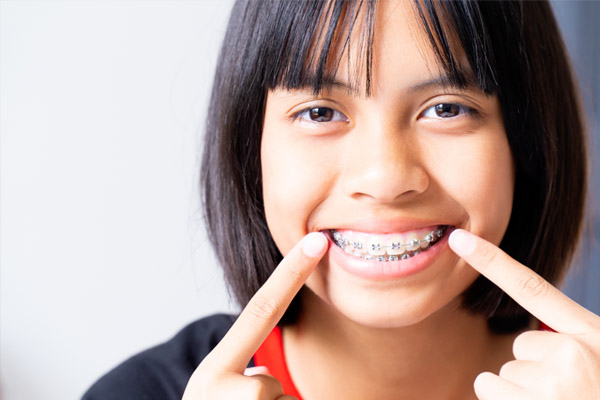
When people think about caring for braces, they often focus on brushing, flossing, and showing up for adjustment appointments. Diet usually comes up only in terms of obvious restrictions like chewing ice or biting into hard candy. What many patients do not realize is that everyday foods can quietly interfere with orthodontic progress, even when they seem harmless.
Orthodontic treatment depends on consistent pressure and healthy tooth movement. Certain foods can bend wires, loosen brackets, increase plaque buildup, or delay adjustments without causing immediate pain or visible damage. Over time, these small setbacks can add weeks or even months to treatment. Understanding which foods affect braces and why can help patients in Jackson stay on track and protect their investment in a straighter smile.
How Food Choices Influence Tooth Movement
Braces work by applying steady force to teeth, encouraging them to shift gradually into better alignment. For this process to stay predictable, the brackets and wires must remain intact and the surrounding gum tissue must stay healthy. Food plays a role in both areas.
Hard or sticky foods can damage appliances directly. Other foods contribute to inflammation, enamel weakening, or plaque buildup, which can slow movement or require treatment pauses. Even foods considered healthy may create problems when combined with braces if they are prepared or eaten the wrong way.
Patients often assume that as long as they avoid pain, their braces are fine. In reality, orthodontic damage can be subtle at first. A slightly bent wire or a loose bracket may not be noticeable until the next appointment, at which point progress may already be affected.
Bread and Soft Sandwiches Are Not Always Safe
Bread seems like a safe choice for braces, especially compared to crunchy snacks. However, certain types of bread can cause unexpected issues. Chewy rolls, bagels, and crusty loaves require more force to bite and pull, which can loosen brackets over time. Even soft white bread can cling to wires and brackets, creating a breeding ground for plaque if not cleaned thoroughly.
Sandwiches made with thick bread can also encourage patients to bite with their front teeth, placing direct pressure on brackets. Tearing bread instead of slicing it into smaller pieces increases the risk of damage. Orthodontists often recommend cutting sandwiches into bite sized portions to reduce strain on the appliances.
Corn Chips and Crackers Create Hidden Stress
Crunchy snacks are well known enemies of braces, but some patients underestimate foods like corn chips, pretzels, and crackers. These items do not always feel as hard as candy or nuts, yet they can apply sharp pressure at awkward angles when chewed.
Thin crackers often break into jagged pieces that wedge under wires or snap against brackets. Corn chips are especially risky because of their rigid texture and pointed edges. Even when eaten carefully, these snacks can cause micro shifts in wires that alter how pressure is applied to the teeth.
Repeated exposure to this type of stress may not cause immediate breakage, but it can reduce the efficiency of treatment and lead to more frequent repairs.
Dried Fruit Is Sticky and Deceptive
Many people choose dried fruit as a healthier alternative to candy, not realizing it can be just as problematic for braces. Raisins, dried mango, apricots, and fruit leather are extremely sticky. They cling to brackets and wires and are difficult to remove completely, even with brushing.
This residue feeds bacteria that produce acids, increasing the risk of enamel damage and white spot lesions. Inflammation around the gums can also slow tooth movement, since orthodontic treatment relies on healthy bone and tissue response.
Fresh fruit is usually a better option, but even then, preparation matters. Apples and pears should be sliced rather than bitten into, and fibrous fruits should be chewed gently.
Pizza Crust Can Bend Wires
Pizza is a favorite comfort food for many patients, but the crust often causes more harm than expected. Thick or chewy crust requires sustained pressure to tear apart, especially when it cools. This pulling motion can bend wires or pop brackets loose without the patient noticing right away.
Toppings can also contribute to the problem. Sticky cheese can wrap around brackets, while tougher meats increase chewing force. Patients do not need to give up pizza entirely, but they should be mindful of crust texture and consider cutting slices into smaller pieces.
Soft crust options and careful chewing can reduce the risk of orthodontic issues while still allowing room for enjoyment.
Raw Vegetables Require Extra Caution
Vegetables are essential for overall health, but raw versions of certain vegetables can slow braces progress if eaten incorrectly. Carrots, celery, broccoli stems, and snap peas are all firm enough to stress brackets and wires.
Biting directly into raw vegetables places concentrated force on the front teeth. Over time, this pressure can loosen attachments or distort wires. Cutting vegetables into smaller, manageable pieces reduces risk and makes them easier to chew evenly.
Cooking vegetables until they are slightly softer is another helpful strategy. Steamed or roasted vegetables provide the same nutritional benefits with less strain on orthodontic appliances.
Sugary Drinks Affect More Than Just Cavities
Most patients know that soda and sports drinks can increase the risk of cavities. Fewer realize that these beverages can also interfere with orthodontic treatment. Sugary and acidic drinks weaken enamel, making teeth more vulnerable during movement.
When enamel is compromised, orthodontists may need to slow treatment or address decay before continuing adjustments. Acidic drinks also irritate gum tissue, which can affect how teeth respond to pressure.
Even diet sodas and flavored waters can be acidic enough to cause problems if consumed frequently. Drinking water after these beverages and limiting intake can help protect both teeth and braces.
Ice Is Still a Common Problem
Ice chewing is often overlooked because it does not involve sugar or sticky residue. However, ice is one of the most damaging habits for braces. The extreme hardness can crack brackets, bend wires, and even damage enamel.
Some patients chew ice without realizing it, especially when drinking cold beverages. This habit can significantly delay progress and lead to unexpected repairs. Orthodontists frequently remind patients that ice should be treated like a hard candy and avoided entirely during treatment.
Breaking this habit early can prevent unnecessary setbacks and reduce discomfort.
Sauces and Condiments Can Create Long Term Issues
Sticky sauces like barbecue sauce, honey, and certain salad dressings tend to cling to orthodontic appliances. While they may not damage brackets directly, they increase plaque accumulation and make cleaning more difficult.
Over time, this buildup can cause gum inflammation and enamel discoloration. Inflamed gums may slow tooth movement, and severe cases can require additional dental care before orthodontic treatment can continue.
Patients should rinse with water after meals and pay extra attention to brushing when consuming thick sauces or sugary condiments.
The Impact of Repeated Small Problems
One broken bracket may not seem like a major issue. However, repeated minor damage adds up. Each repair appointment interrupts the planned sequence of adjustments, making it harder to maintain steady progress.
When wires are bent or brackets shift, the force applied to teeth changes. This can result in uneven movement or require the orthodontist to backtrack slightly to correct the issue. Over time, treatment length increases, and patients may experience frustration or fatigue.
Being mindful of food choices helps maintain consistency, which is key to efficient orthodontic care.
Practical Tips for Eating With Braces
Patients do not need to follow an overly restrictive diet to protect their braces. Small adjustments can make a big difference. Cutting food into smaller pieces, chewing slowly, and avoiding biting with the front teeth reduce strain on brackets.
Choosing softer textures and staying alert to habits like ice chewing also help. Good oral hygiene is equally important, as clean teeth and healthy gums respond better to orthodontic movement.
Orthodontic teams in Jackson often provide personalized guidance based on the type of braces and treatment plan. Following those recommendations closely can help patients avoid unnecessary delays.
Conclusion
Braces are a temporary phase with long term benefits. Protecting them through mindful eating supports smoother progress and fewer interruptions. Foods that seem harmless can quietly interfere with treatment when eaten without care.
By understanding how everyday choices affect braces, patients can take an active role in their orthodontic success. Awareness, preparation, and consistency make a noticeable difference over time.
For patients in Jackson, staying informed and proactive helps ensure that each adjustment moves them closer to their final result rather than setting them back.