Orthodontic treatment is a partnership between the patient and the orthodontist. While the orthodontist designs the plan and makes adjustments, much of the day-to-day success depends on habits at home. Small mistakes, repeated over weeks or months, can slow progress, lead to broken appliances, or affect the health of the teeth and gums. The good news is that most of these missteps are common, predictable, and avoidable with a little awareness. Whether a patient is wearing traditional braces, clear aligners, or a retainer after treatment, understanding what tends to go wrong can make the experience smoother. For patients and families in Jackson, knowing these pitfalls in advance can help protect both their investment and their results. Those considering a removable option may also want to learn more about clear aligner treatment in Jackson and what it requires day to day.
Mistakes With Clear Aligners
Clear aligners offer flexibility, but that flexibility also creates opportunities for mistakes. Because aligners are removable, their success depends heavily on patient habits.
Not Wearing Aligners Long Enough
Aligners typically need to be worn for most of the day, often around 20 to 22 hours, to move teeth as planned. Leaving them out for long meals, social events, or overnight can slow progress and cause the next set of trays to fit poorly. Over time, repeated gaps in wear may extend treatment or require additional aligners. Setting reminders and keeping a case nearby can help patients stay consistent.
Eating or Drinking With Aligners In
Eating while wearing aligners can crack or warp them, and drinking sugary or acidic beverages can trap liquid against the teeth, increasing the risk of cavities and staining. Hot drinks may also distort the plastic. In most cases, plain water is the only beverage recommended while aligners are in place. Removing aligners before meals and brushing before putting them back in helps protect both the teeth and the trays.
Skipping Ahead or Losing Trays
Some patients are tempted to switch to the next set of aligners early to speed up treatment. Changing trays ahead of schedule can push teeth faster than intended and may lead to poor fit. Wrapping aligners in napkins during meals is another common mistake, since they are easily thrown away. Keeping aligners in their case when not being worn can help prevent loss.
Mistakes With Braces
Braces stay in place full time, which removes some concerns but introduces others. Many common problems relate to food choices and cleaning habits.
Eating Hard, Sticky, or Chewy Foods
Foods such as hard candy, nuts, popcorn, ice, caramel, and chewy snacks can bend wires or break brackets loose. Biting directly into hard foods like whole apples or corn on the cob may also cause damage. Cutting food into smaller pieces and choosing softer options can reduce the risk. Broken appliances often require extra visits and may slow progress.
Not Wearing Elastics as Directed
Rubber bands, or elastics, are often prescribed to help correct the bite. They usually need to be worn consistently and replaced as instructed to be effective. Wearing elastics only occasionally can slow bite correction and extend treatment time. Keeping extra elastics on hand at school, work, or in the car can make it easier to stay on track.
Using Teeth as Tools
Opening packages, biting fingernails, or chewing on pens can put stress on braces and teeth alike. These habits may loosen brackets or damage wires without the patient realizing it. Being mindful of these habits can help protect both the appliance and the teeth. Keeping scissors or a small tool nearby for everyday tasks can make it easier to break the habit.
Oral Hygiene and Appointment Mistakes
Some of the most important mistakes apply to all orthodontic patients. These habits can affect both oral health and treatment progress.
Falling Behind on Brushing and Flossing
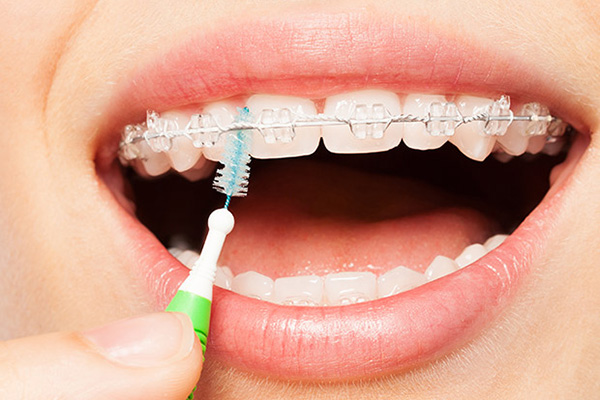
Braces and aligners can trap food and plaque, increasing the risk of cavities, gum inflammation, and white spots on the enamel. Brushing after meals, flossing daily with tools designed for braces, and cleaning aligners regularly are important habits. Continuing routine dental checkups and cleanings during treatment is also generally recommended. Small brushes and water flossers can make it easier to reach around brackets and wires.
Missing Appointments
Regular visits allow the orthodontist to adjust appliances and monitor progress. Missing or repeatedly postponing appointments can slow treatment and allow small problems to grow. Contacting the office promptly about loose brackets, broken wires, or poorly fitting aligners can also help avoid delays. Waiting until the next scheduled visit to report a problem may allow it to affect progress in the meantime.
Mistakes After Treatment Ends
The final phase of orthodontic care is just as important as the active phase. Patients who relax their habits too soon may see their results change.
Not Wearing Retainers Consistently
Teeth can shift after braces or aligners are removed, especially in the first months after treatment. Wearing retainers as instructed helps maintain the new positions of the teeth. Many patients are advised to continue wearing retainers at night on a long-term basis. Checking in with the orthodontist if a retainer begins to feel tight can help catch shifting early.
Improper Retainer Care
Leaving retainers in hot cars, cleaning them with hot water, or storing them loosely can warp or damage them. Pets are also known to chew on retainers left within reach. Storing retainers in their case and cleaning them as directed can help them last longer. If a retainer is lost or damaged, contacting the office promptly can help prevent teeth from moving before a replacement is made.
Setting Yourself Up for Success
Most orthodontic mistakes are easy to avoid once patients know what to watch for, and good habits can make treatment smoother from start to finish. We understand that adjusting to new routines takes time, and we are always happy to answer questions and offer practical tips along the way. As a Jackson orthodontist, our team at VIP Smiles provides clear guidance to help patients protect their appliances, their oral health, and their results. If you have questions about your treatment or are ready to begin, we invite you to contact our team to schedule a consultation and learn more about your options.