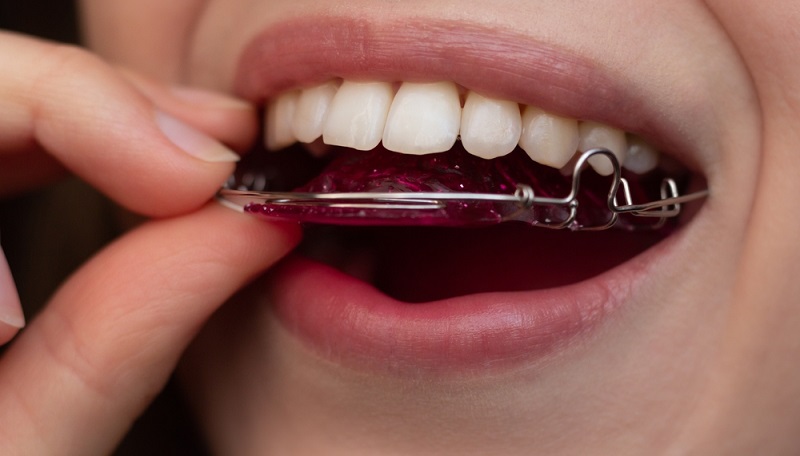
Invisalign has become a popular choice for people seeking a straighter smile without the visibility of traditional braces. One of the reasons Invisalign is effective is the use of attachments. These small, tooth-colored bumps are bonded to your teeth to help the aligners grip and move teeth more precisely. While they are designed to stay in place, it is possible for an attachment to come off. Knowing what to do in this situation can help keep your treatment on track and avoid unnecessary delays.
Understanding Invisalign Attachments and Their Role
Attachments, also called buttons or bumps, are made from dental composite material similar to what is used for fillings. They act as handles that the aligner uses to apply pressure to specific teeth, allowing for controlled movement. Depending on your treatment plan, you might have multiple attachments on different teeth throughout your Invisalign journey.
Although attachments are designed to be durable, they are not indestructible. Chewing hard foods, grinding your teeth, or even accidentally biting something tough can cause an attachment to loosen or fall off. In some cases, detachment can happen due to improper bonding or natural wear over time.
Recognizing When an Attachment Has Come Off
It is not always obvious when an attachment has detached. You may notice a small gap on the surface of a tooth where an attachment was previously placed, or your aligner may no longer fit snugly. Some patients experience slight discomfort or notice increased movement of the tooth compared to previous aligners. If you observe any of these signs, it is important to address the issue quickly to prevent your treatment from being compromised.
Immediate Steps to Take
If an attachment comes off, the first thing to do is check your aligners. Sometimes the attachment remains stuck to the aligner itself, which can create a choking hazard or interfere with your fit. If you can safely remove it from the aligner, do so and set it aside.
If the attachment is intact after falling out, save it and bring it to your orthodontist. While it might not be reusable, having it can help your orthodontist understand what went wrong. Continue wearing your aligners as normally as possible, but avoid applying excessive force if the missing attachment affects the fit. In some cases, skipping the aligner until your orthodontist advises otherwise may be the safest option.
Contacting your orthodontist promptly is key. Explain which tooth lost its attachment and when it happened. They can guide you on whether to continue with your current aligner, switch to the next one, or pause until the attachment is replaced.
How Your Orthodontist Can Help
Depending on where you are in your treatment, your orthodontist may recommend rebonding the attachment, adjusting your current aligner, or pausing treatment temporarily. Rebonding is a quick process in which the tooth is cleaned, a small amount of composite material is applied, and a curing light hardens it. If the aligner no longer fits properly, your orthodontist may provide a replacement or suggest minor adjustments. In some cases, continuing with the previous aligner until the attachment is replaced can prevent teeth from moving incorrectly.
Preventing Attachments From Coming Off
While some detachment is unavoidable, there are ways to reduce the risk. Avoiding hard or sticky foods such as caramel, taffy, hard candy, and nuts can prevent unnecessary stress on attachments. Chewing carefully or cutting food into smaller pieces also helps protect them.
If you play contact sports or grind your teeth at night, using a mouthguard is highly recommended. Grinding and impact can dislodge attachments. Proper oral hygiene is also important. Brush and floss gently around attachments to avoid weakening the bond. When inserting or removing aligners, apply even pressure rather than pulling forcefully on one side.
When to Seek Urgent Care
There are situations that require immediate attention. If multiple attachments come off at once, or if a detached attachment causes noticeable movement in your tooth, contact your orthodontist right away. The same applies if your aligner no longer fits correctly or causes pain, or if you accidentally swallow or lose an attachment. Prompt attention ensures your treatment stays on schedule and prevents complications.
Understanding the Impact on Your Treatment
A single attachment coming off usually does not cause major delays. However, postponing its replacement can slow progress. Teeth may shift slightly without the proper force from the attachment, which can affect the effectiveness of your aligners. Replacing the attachment promptly helps maintain the planned movement of your teeth and keeps your treatment on track.
Conclusion
Invisalign attachments are a small but essential part of your orthodontic treatment. They allow aligners to move teeth efficiently and accurately. If an attachment comes off, stay calm and follow the proper steps. Contact your orthodontist in Jackson promptly to ensure your treatment continues smoothly. Most attachment issues are minor and easily corrected, allowing you to continue your journey toward a straighter, healthier smile without unnecessary delays.